
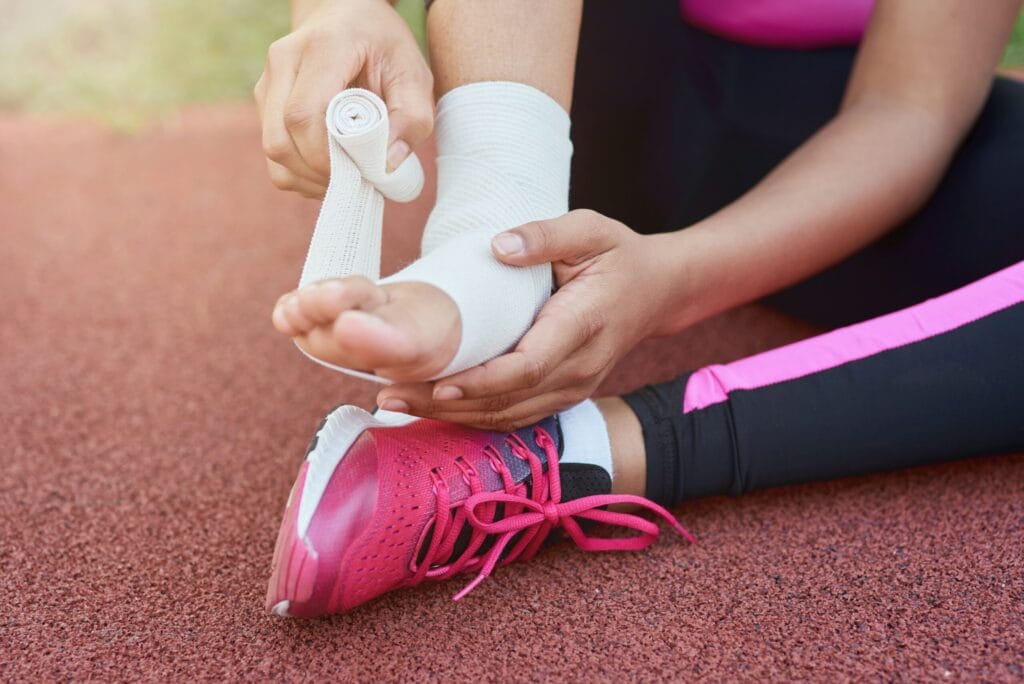
In most cases, sport injuries are predictable, identifiable, and preventable. Athletes who understand the factors of common injuries can recover completely and stay injury-free instead of cycling through the same injuries repeatedly.
The most common mistake is treating pain relief. An ankle that no longer hurts is not necessarily an ankle that has healed. A hamstring that feels fine jogging is not necessarily ready for maximal sprinting. Returning to sport when pain has settled but rehabilitation is incomplete is the single most common reason sport injuries recur — often worse the second time.
Here’s all you need to know about the most common sports injuries we see in our patients.
Why Sport Injuries Happen
Training load errors
The body adapts to physical stress, but only when that stress is applied gradually enough for adaptation to occur. If training volume, intensity, or frequency increases faster than the body can adapt, like a runner doubling their weekly distance, then your tendons, bones, muscles, and joints break down under the load.
Movement pattern problems
These distribute force incorrectly and concentrate stress on specific structures beyond their capacity. Low efficiency and poor mechanics can put excessive stress on your body. It doesn’t matter if you run faster if running wrong can continuously hurt your hips and legs.
Muscle imbalances
Whether between left and right sides, or between opposing muscle groups, muscle imbalances alter how forces are absorbed during sport. A significant strength difference between the left and right hamstrings, for example, is a well-established risk factor for hamstring strain.
Previous Injury
Previous injury is the strongest single predictor of future injury. An inadequately rehabilitated ankle sprain leaves proprioception permanently compromised unless specifically retrained. If your injury wasn’t fully rehabilitated, you can’t expect it to be able to return to full function.
External factors
Footwear, training surfaces, and equipment fit contribute more than athletes typically appreciate. You shouldn’t take a risk with old equipment because it can take one unfortunate injury to affect you for a long time.
Why Sport Injuries Happen
Ankle Sprain
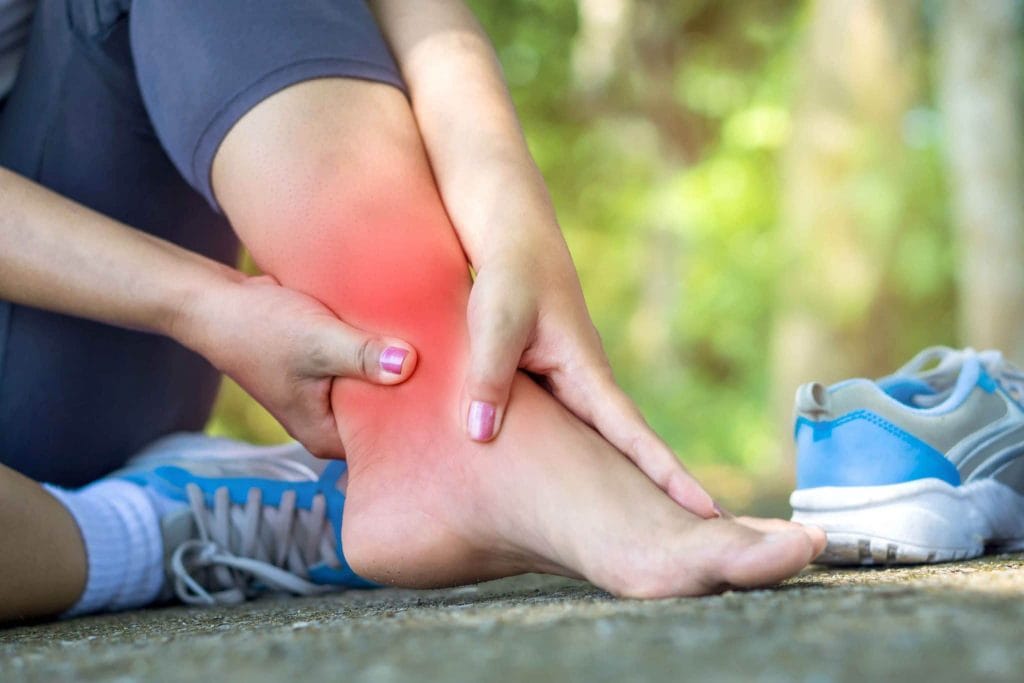
The ankle sprain is the most common acute sport injury across virtually every sport that involves running, jumping, or change of direction. It occurs when the foot rolls inward, stretching or tearing the ligaments on the outer side of the ankle, most commonly the anterior talofibular ligament.
Usually you’ll see swelling that develops rapidly on the outer ankle along with bruising that typically appears within 24 to 48 hours. Weight-bearing ability depends on severity.
What makes ankle sprains particularly problematic from a sports medicine perspective is how consistently they are under-rehabilitated. The pain and swelling settle within a few weeks, the athlete feels ready to return without having addressed the proprioceptive deficit, muscle weakness, or balance impairment that the injury left behind.
Hamstring Strain
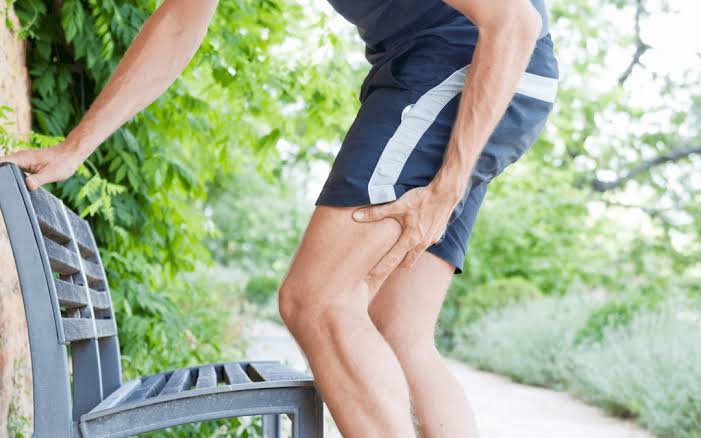
The hamstring strain is the most common muscle injury in running and field sports and carries one of the highest re-injury rates.
The hamstrings are most vulnerable during the late swing phase of running. This load places enormous demand on the muscle-tendon unit. Too much demand and strain occurs. The injury typically presents as a sudden, sharp pain in the back of the thigh during sprinting or kicking, with an audible pop and immediate functional loss.
Severity ranges from a Grade 1 mild strain, where a small number of fibres are affected and return to running is possible within one to two weeks, through to a Grade 3 complete rupture that can require months of rehabilitation and, in some cases, surgical consultation.
Knee Ligament Injuries
The anterior cruciate ligament (ACL) and the medial collateral ligament (MCL) are the two most commonly injured ligaments in the knee.
ACL injuries feel like immediate pain, significant swelling developing within hours as the joint fills with blood, and a feeling of instability or giving way. Many athletes report hearing or feeling a pop at the moment of injury. The ACL has poor inherent healing capacity. Surgical reconstruction followed by comprehensive rehabilitation is the most common pathway. Return to sport after ACL reconstruction is typically nine to twelve months.
MCL injuries occur from a direct blow to the outer knee or a valgus force that stresses the inner side of the joint. They are far more likely than ACL injuries to heal without surgery. Most MCL injuries respond well to physiotherapy over four to eight weeks, with return to sport guided by pain, range of motion, and functional strength rather than a fixed calendar.
Runner's Knee
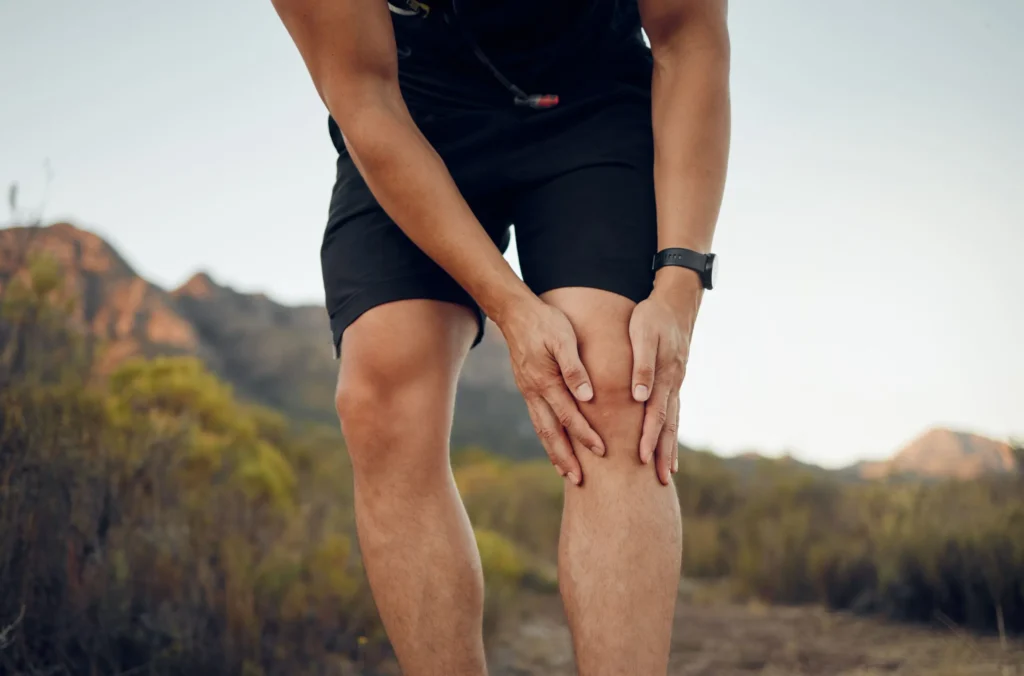
Runner’s knee is characterised by pain around or behind the kneecap that worsens with running, stairs, squatting, and prolonged sitting with the knee bent. The pain originates from the patellofemoral joint where the kneecap tracks in a groove at the front of the femur. When the kneecap doesn’t track correctly through this groove, it creates abnormal pressure and friction that produces pain over time.
Shin Splints
Shin splints are diffuse pain along the inner border of the shin that is almost exclusively an overuse injury. Its cause is straightforward in most cases: too much running load applied too quickly for the tibia and surrounding muscles to absorb.
The pain is typically described as a dull ache along the lower two-thirds of the inner shin that appears during running and eases with rest, at least initially. Any athlete with shin pain that is sharply focal, worsening rather than plateauing, or present at rest should be assessed before continuing to train.
Achilles Tendinopathy
Achilles tendinopathy presents as pain and stiffness at the back of the heel that is characteristically worse first thing in the morning and at the start of activity. Tendons respond to load as they need controlled exercises to stimulate the adaptation that resolves the condition. Complete rest causes the tendon to decondition further, and pain returns as soon as loading resumes. Heavy slow resistance training is the most consistently effective treatment approach.
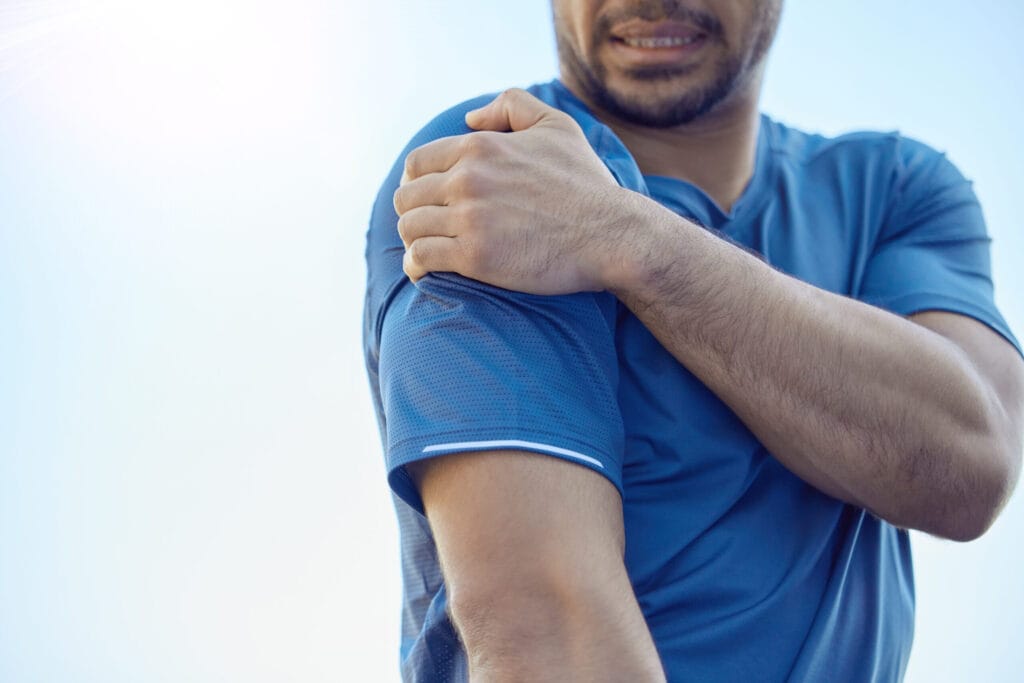
Shoulder Rotator Cuff Injury
Rotator cuff injuries are the most common shoulder problem in overhead athletes — swimmers, tennis players, volleyball players, throwers, and cricketers. When the cuff is repeatedly loaded beyond its capacity, strain, tendinopathy, or tearing occurs.
A mild rotator cuff strain without structural damage responds well to physiotherapy within four to twelve weeks. Partial thickness tears take longer but similarly respond to conservative rehabilitation in most cases. Full thickness tears may require surgical discussion, particularly in younger active athletes.
IT Band Syndrome
IT band syndrome is a common overuse injury in runners and cyclists, characterised by sharp or burning pain on the outer knee that appears at a predictable point in a run and forces a stop. It is a hip problem expressing itself at the knee.
Plantar Fasciitis
Plantar fasciitis is the most common cause of heel pain in active adults and is closely associated with running, prolonged standing, and sudden increases in activity. The characteristic presentation is sharp heel pain on first steps in the morning, driven primarily by tight calf muscles pulling on the plantar fascia through the heel.
How to Prevent Sports Injuries
The 10% Rule
Increasing training volume by no more than 10% per week is a reasonable guideline for most athletes, so you don’t spike and overexert your body.
Tracking weekly mileage or training hours and comparing week-to-week changes is enough to identify the spikes you need to watch out for before you get injured. Recovering enough with sleep, nutrition, and genuine rest days are just as important when following this rule.
Strength and Conditioning
Strength training is the strategy with the most evidence at preventing injury for almost any sport. The stronger your body is, the better it can absorb force and give better support to your joints for you to go all out.
Movement Quality
How you move decides where load is concentrated. Poor movement quality is often invisible until your injury makes you look closer. Running gait analysis identifies patterns associated with injury risk. For overhead athletes, shoulder mechanics assessment serves the same purpose.
Warm-Up and Cool-Down
A dynamic warm-up that progressively increases movement complexity and tissue temperature reduces injury risk in the session that follows. Cool-down provides a practical transition from high-intensity to rest and an opportunity for static stretching, but its effect on recovery and soreness is more modest than commonly believed.
Previous Injury Rehabilitation
Full rehabilitation means restoring strength symmetry, proprioception, and the ability to perform sport-specific demands progressively under fatigue. Decide when to return to sport based on objective criteria — whether the joint is actually strong enough, if you can use it comfortably for your sport, and even if you’re mentally ready. Don’t just base it on the pain level alone.
Sports Injury Treatment with Physiotherapy and Other Alternative Methods
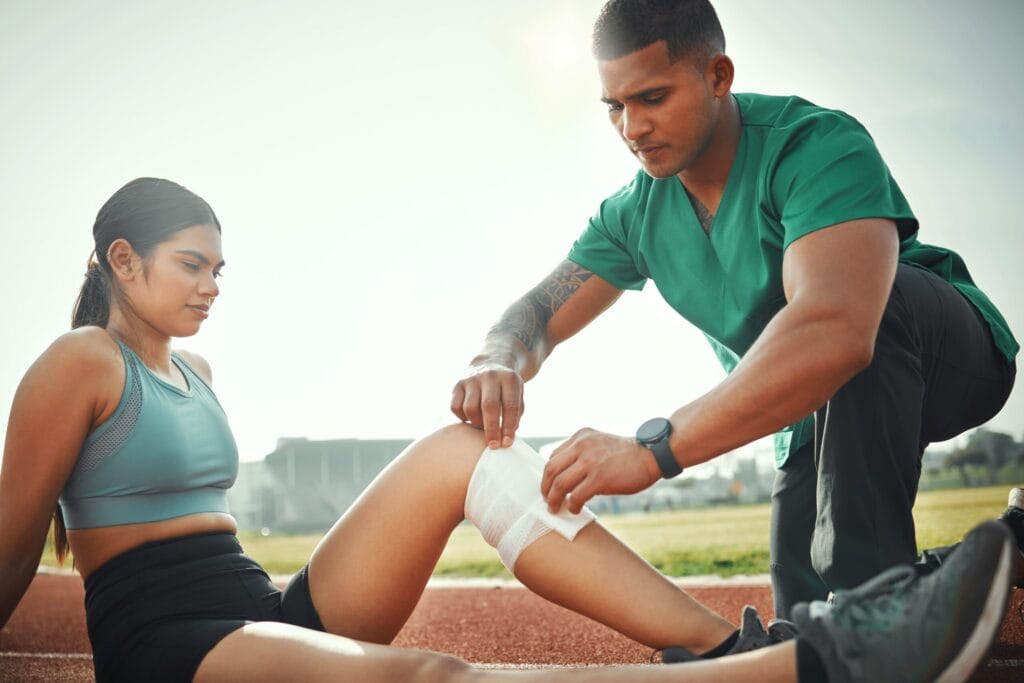
A sports physiotherapy assessment covers the mechanism and history of the injury, functional testing of the affected structure and the surrounding areas, movement analysis to identify contributing biomechanical factors, and specific clinical tests to identify the injured tissue and rule out more serious pathology.
Imaging like X-rays are not required for every sport injury and is often not the most useful starting point. It’s more beneficial to know how the injury is affecting function, what movement patterns are contributing, and what rehabilitation needs to address.
Acute Injury Management
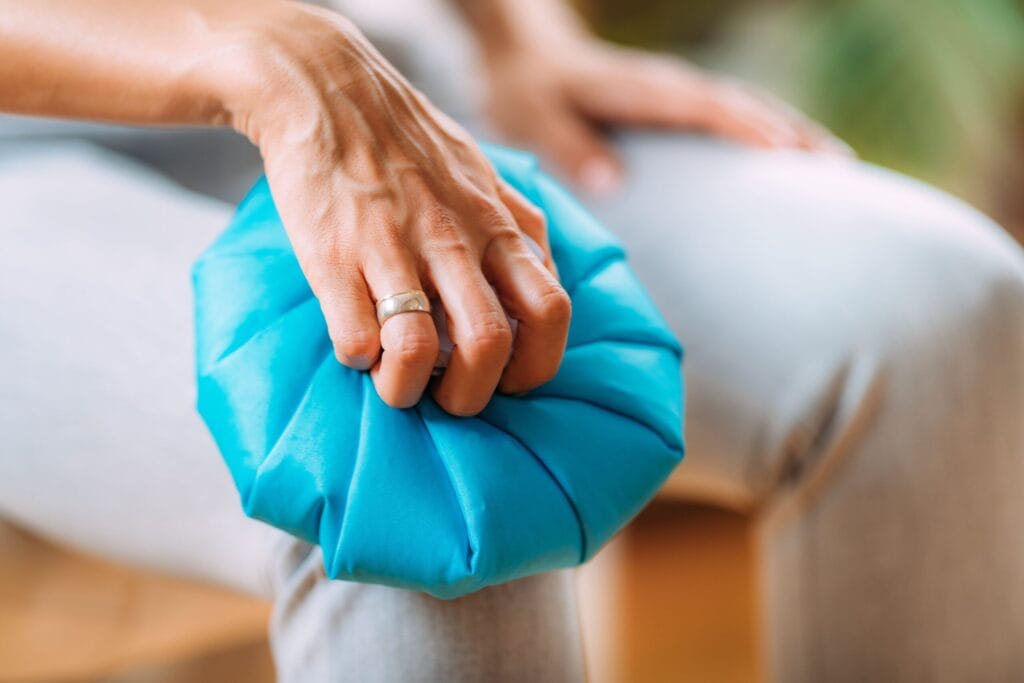
For many years, the standard advice for acute sport injuries was RICE: Rest, Ice, Compression, Elevation. Current evidence has moved beyond this framework, and the more contemporary PEACE and LOVE protocol better reflects what the research shows about optimal acute injury management.
PEACE covers the immediate period following injury:
- Protection — unloading and limiting movement in the first one to three days to prevent aggravating the injury.
- Elevation — keeping the injured limb raised to reduce swelling.
- Avoid anti-inflammatories — inflammation is part of the healing process, and suppressing it pharmacologically in the early stages may impair tissue repair.
- Compression — external pressure to reduce swelling.
- Education — understanding the injury and what to expect supports active participation in recovery.
LOVE covers the subsequent management:
- Load — early, appropriate loading of the injured tissue, tailored to pain response, stimulates healing and prevents deconditioning.
- Optimism — a positive, confident approach to recovery is associated with better outcomes.
- Vascularisation — aerobic exercise that doesn’t stress the injured area maintains cardiovascular fitness and promotes tissue blood flow.
- Exercise — rehabilitation exercises to restore strength, mobility, and function.
The central shift from RICE to PEACE and LOVE is the recognition that early controlled movement and progressive loading produces faster and more complete recovery for most soft tissue injuries.
Rehabilitation Phases
Based on which phase of rehabilitation you’re in with your injury, the best form of recovery can be different. Most rehabilitation plans outline these for you on an individual basis so you can gradually get stronger.
Phase 1 — Pain and inflammation management covers the first days to weeks following injury. The goals are controlling pain and swelling, protecting the injured tissue from further damage, and maintaining mobility in the surrounding areas.
Phase 2 — Tissue healing and strength rebuilding is where the majority of rehabilitation work happens. As pain settles, progressive loading of the injured structure begins, with exercises becoming more challenging in load, range, and complexity over several weeks. Muscle imbalances and movement deficits identified in the assessment are directly addressed.
Phase 3 — Sport-specific rehabilitation reintroduces the athlete’s sport in a controlled, progressive way. A runner returns through a structured running programme. A throwing athlete reintroduces throwing at reduced volume and intensity. The tissue needs to be exposed to competition demands before those demands are applied in competition.
Phase 4 — Return to sport is based on criteria like adequate strength, movement quality, sport-specific function, and psychological readiness which must all be demonstrated before clearance for full training so the risk of reinjury is decreased.
Manual Therapy
Manual therapy such as soft tissue release, joint mobilisation, and hands-on techniques targeting restricted or irritated structures is a valuable component of rehabilitation when used appropriately. Its primary role is restoring movement that pain, muscle guarding, or joint stiffness has limited. A joint that isn’t moving through its full range can’t be effectively strengthened through that range, and sport demands full, controlled motion under load.
How Long Does It Take for a Sports Injury Recovery?
Recovery timelines vary with injury type, severity, baseline fitness, and how promptly rehabilitation begins. The following provides realistic guidance rather than best-case estimates.
| Injury | Severity / Notes | Timeline |
|---|---|---|
| Ankle sprain | Grade 1 — minimal ligament damage | 1–2 weeks |
| Grade 2 — partial ligament tear | 3–6 weeks | |
| Grade 3 — complete rupture | 8–12 weeks or longer | |
| Hamstring strain | Grade 1 — minor strain | 1–2 weeks |
| Grade 2 — partial tear | 4–8 weeks | |
| Grade 3 — complete rupture | 3–6 months | |
| ACL reconstruction | Full surgical recovery required | 9–12 months |
| MCL injury | Usually managed conservatively | 4–8 weeks |
| Runner's knee | With hip strengthening and load management | 4–8 weeks |
| Shin splints | When training load is appropriately modified | 4–8 weeks |
| Achilles tendinopathy | Reactive — recent load spike | 6–8 weeks |
| Degenerative — structural changes present | 3–6 months or longer | |
| Rotator cuff strain | Without structural damage | 4–12 weeks |
Get Sports Injury Treatment at Regenesis Physiotherapy

Every athlete deserves more than pain management. You deserve to know exactly what is injured, why it happened, and what it takes to return to your sport fully, stronger and more resilient than before the injury.
At Regenesis Physiotherapy, our sports physiotherapy specialists work with athletes across all levels and sports. From the accurate diagnosis that shapes the right treatment plan, to the sport-specific rehabilitation that gets you back to training and competition, every stage of your recovery is built around returning you to the sport you love.