
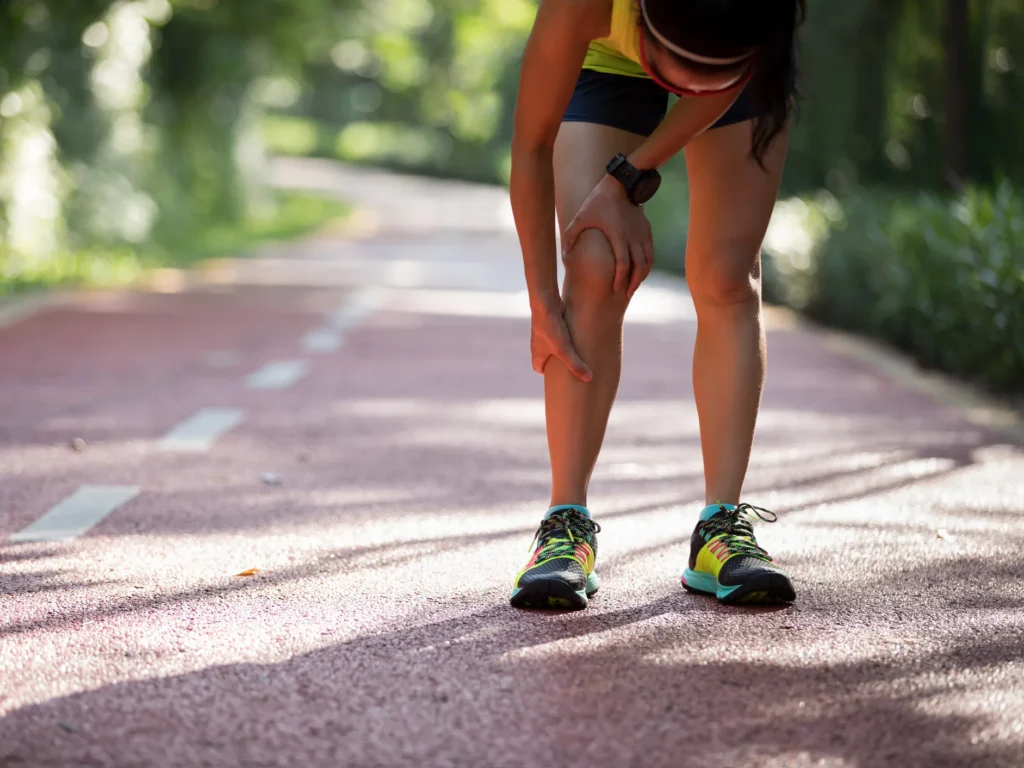
Shin splints affect up to 35% of runners, but like runner’s knee, this common running injury is almost entirely preventable with proper training, strength, and biomechanics. Most runners increase mileage too quickly or ignore early warning signs of shin splints injury, leading to months of lost training.
This guide covers the key prevention strategies that keep runners shin-splint-free. For specific exercises to build the strength and flexibility needed to prevent this running injury, see our companion article on shin splints exercises.
What Are Shin Splints and Why Do Runners Usually Get Them
Shin splints (medial tibial stress syndrome) is a common running injury causing pain along the shinbone due to stress on the muscles and tissues surrounding the tibia. This running injury is an overuse problem caused by how you train and how your body moves. A shin splints injury takes 4-12 weeks to recover from causing months of reduced training and dealing with a running injury you could have prevented entirely.
The root causes of shin splints injury break down into two main categories: training errors and biomechanical issues. Training errors include increasing mileage too quickly (exceeding 10% weekly increase), adding speed work without adequate base fitness, not taking enough recovery between hard workouts, sudden changes in running surface or terrain, and running in worn-out shoes. These training mistakes create the conditions that lead to shin splints injury.
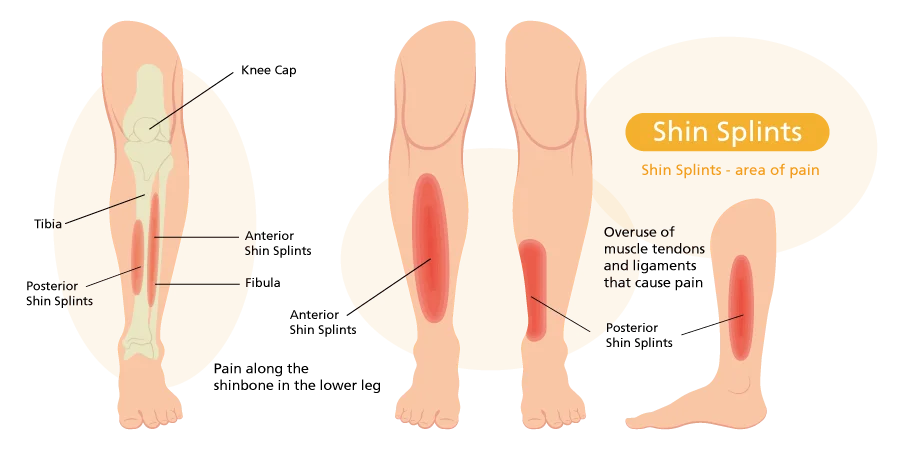
Shin Splints Injury Symptoms: Know the Warning Signs
Shin splints usually start with early warning signs that many runners ignore.
- Dull ache along your shinbone, especially at the start of a run
- Pain that improves as you warm up but returns after running
- Mild tenderness when you press on your shin
- Pain that goes away with rest but returns with running
- This classic shin splints injury pattern is your signal to take action
As the condition worsens, more serious symptoms develop. You experience sharp pain along the shin that doesn’t improve with warm-up. You might see swelling along the shinbone or pain that persists even during rest days.
Most runners ignore early warning signs and keep running, turning mild discomfort into a severe shin splints injury that forces weeks off from training. Catch it in the early warning sign phase and it responds to simple prevention strategies. Ignoring warning signs turns a minor issue into a major running injury that sidelines your training.
Identify Your Shin Splints Injury Risk
Before ramping up your training, assess your biomechanical risk for shin splints injury. You can do several assessment tests yourself.
The calf flexibility test identifies one of the biggest risk factors. Sit with your leg extended. Try to pull your toes toward your shin. If you can’t bring your toes more than 90 degrees back toward your shin, your calves are tight. Tight calves are a major shin splints injury risk factor because they alter how your foot lands during running.
The single-leg stance test reveals hip weakness. Stand on one leg while someone watches from behind. If your hip drops or trunk leans toward your stance side, you have hip weakness. This changes your running mechanics and directly increases your risk of shin splints injury.
Video running analysis lets you spot form problems that cause shin splints injury. Film yourself running from behind. Watch for excessive heel striking (landing on your heel first creates impact shock that stresses shins and causes shin splints injury), hip drop on one side, or knees caving inward. These movement patterns predict shin splints injury.
Gait analysis identifies additional risk factors. Are you overpronating (foot rolling inward excessively)? Do you have poor posture when fatigued? These biomechanical issues directly contribute to shin splints injury.
If screening shows risk factors for shin splints injury, consider seeing a physiotherapist for detailed assessment before starting intense training. Professional evaluation can identify your specific vulnerabilities and help you address them before pain develops.
Muscle Weakness
Shin splints injury develops when specific muscles are weak or imbalanced. The tibialis anterior (front shin muscle) and calf muscles are particularly vulnerable to this running injury, along with hip and glute muscles that control your running mechanics.
When your shin muscles are weak, they fatigue quickly during running. Weak calves force your tibialis anterior to overcompensate, leading to shin splints injury. Weak glutes change how you run, increasing stress on your shins. Poor hip stability causes your hips to drop or shift side to side, forcing your shins to absorb excessive force and causing shin splints injury.
The role of hip stability is often overlooked but crucial. Strong hips keep your body properly aligned during running. Weak glutes and hip muscles destabilize your lower body, which increases shin splints injury risk significantly. Building hip strength prevents this compensation pattern.
Consistent strength training (3-4 sessions weekly) targeting these muscle groups directly prevents shin splints injury from developing. Strength work should include tibialis anterior, calf muscles, glutes, hip stabilizers, and core muscles. The combination of weak areas creates the perfect conditions for shin splints injury.
For specific exercises to address these weaknesses and prevent shin splints injury, see our detailed shin splints exercises article. The exercises are designed to target the exact muscles that prevent this running injury.
Calf Flexibility
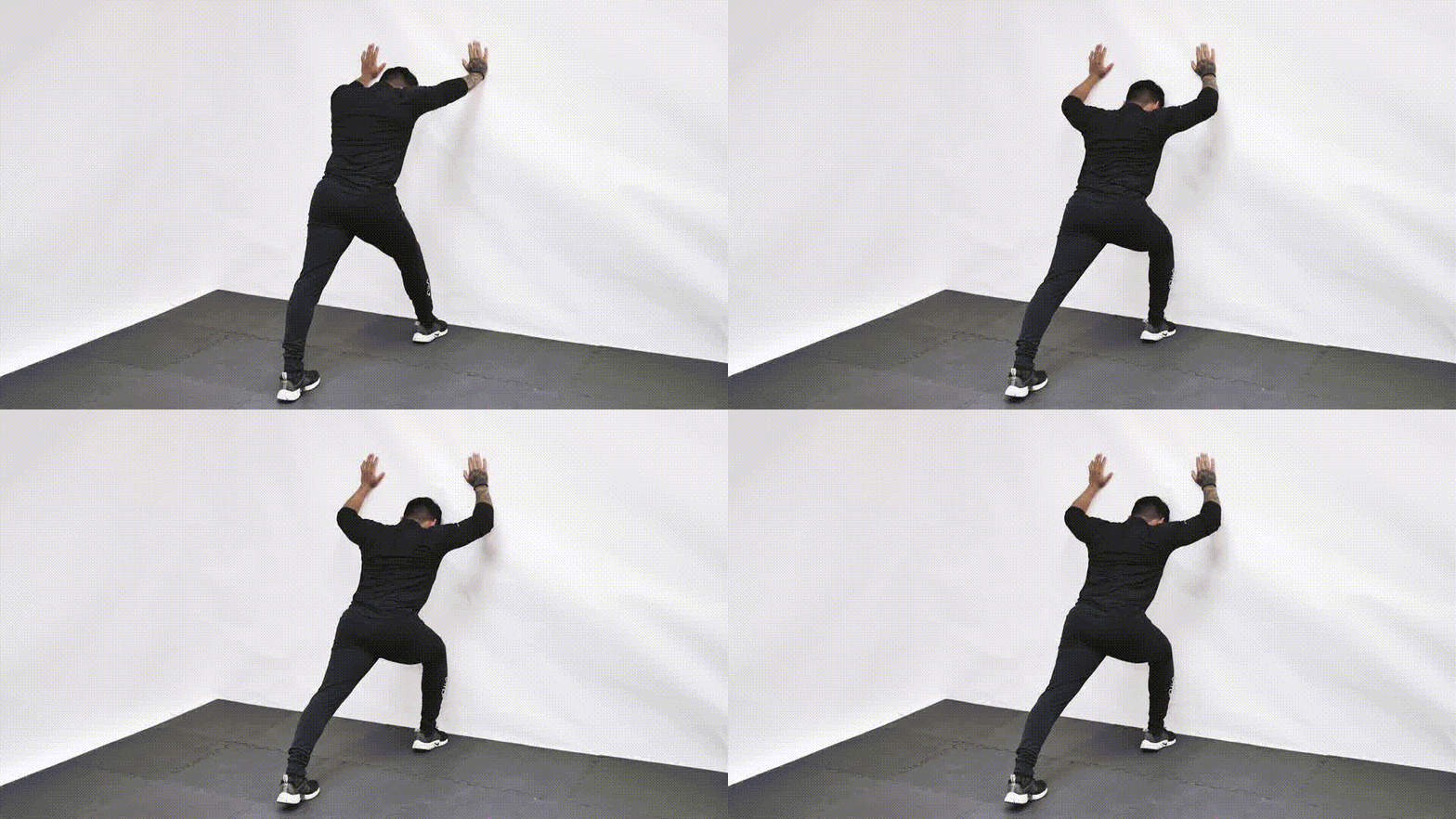
Your calf muscles connect to your tibia (shinbone). When calves are tight, they pull on the bone and surrounding tissues, creating the stress that leads to shin splints injury. This is why calf flexibility is the single most important factor in preventing this running injury.
You should be stretching your calves multiple times daily, especially after running. Tight calves build up gradually from running, standing jobs, and daily activities. Breaking this cycle through consistent stretching is essential to prevent shin splints injury. Many runners find that simply adding daily calf stretching reduces their shin splints injury risk dramatically.
Additional flexibility work is also important. Hip flexor tightness alters your running mechanics and increases shin splints injury risk. Hamstring tightness contributes to poor running form that stresses your shins. Ankle mobility issues force compensation at the shin. All these areas need attention to prevent shin splints injury comprehensively.
Consistency matters more than intensity. Daily stretching prevents more shin splints injury than occasional intense stretching sessions. Make calf flexibility a daily habit, like brushing your teeth, to prevent this running injury from developing. The 5-10 minutes you spend stretching daily is minimal compared to the weeks of recovery from shin splints injury.
For specific stretching protocols and exercises, see our shin splints exercises guide.
Train with the 10% Rule and Recovery
The 10% rule is non-negotiable for preventing shin splints injury. Increase total weekly mileage by no more than 10% per week. Exceeding this rule is the #1 cause of shin splints injury in runners. Your bones and connective tissues need time to adapt to increased load. If you violate this rule, you almost guarantee shin splints injury will develop.
For example: if running 20 miles per week, your maximum increase to prevent shin splints injury is 22 miles the next week. The week after that, increase to 24.2 miles. This slow progression allows your bones and tissues to adapt without overload and prevents shin splints injury.
Hard-easy training structure significantly reduces shin splints injury risk. Structure your week with one hard workout (speed work or tempo runs) early in the week, followed by 2-3 easy runs at conversational pace, then another hard workout mid-week or on the weekend, followed by more easy runs. Include 1-2 full recovery days.
This pattern of hard-easy, easy-hard, easy-easy-easy reduces shin splints injury risk compared to unstructured training where hard and easy days are randomly distributed.
New surface or terrain changes cause shin splints injury when introduced too abruptly. When changing running surfaces (road to track, outdoor to treadmill) or adding trail running, reduce mileage by 20-30% initially. Different surfaces stress your body differently; ease into them gradually to prevent shin splints injury. Your body adapts to specific surfaces, so sudden changes create injury risk.
Adequate recovery is crucial for preventing shin splints injury. Your body needs rest days to adapt to training stress. Skipping recovery days increases shin splints injury risk because tissues don’t have time to repair and strengthen. Many runners who get shin splints injury are doing too much volume with insufficient recovery.
Shoe Management and Running Surface
Replace Your Shoes Regularly
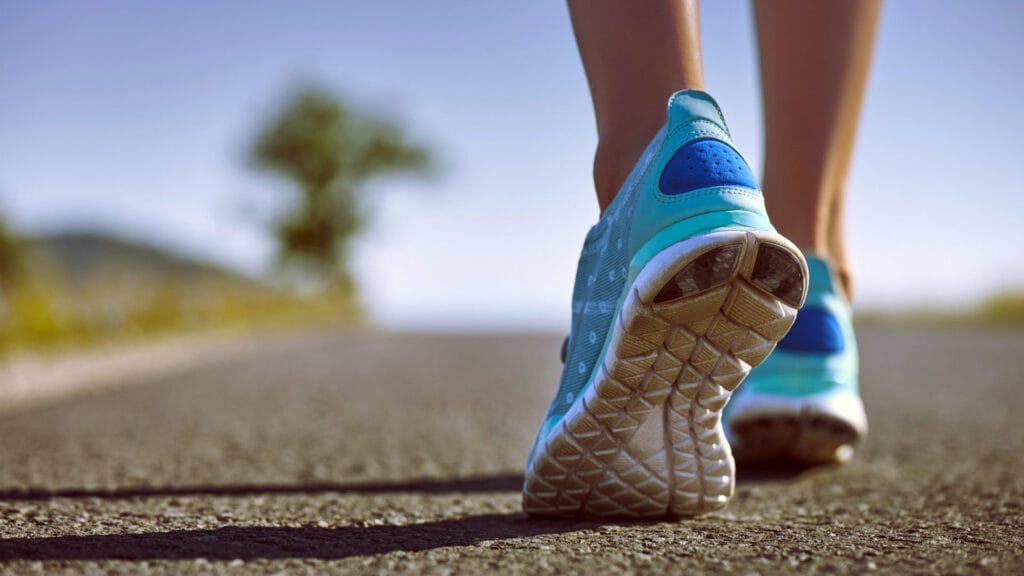
Running shoes last 300-500 miles before cushioning degrades. Worn-out shoes lose impact protection and increase stress on your shins, directly causing shin splints injury. Track your mileage using a running app or notebook and replace shoes before they wear out completely. This single factor prevents countless cases of shin splints injury.
Most runners don’t realize their shoes are worn until pain develops. Don’t wait for obvious wear signs; replace shoes proactively at the 300-500 mile mark to prevent shin splints injury.
Choose the Right Shoe Type for Your Foot
Not all running shoes are the same, and wearing the wrong shoe type for your foot increases shin splints injury risk. Some shoes are designed for neutral runners, some for people who overpronate, some for high arches. Visit a specialty running store for gait analysis if you’re unsure of your shoe type. Wearing the right shoe for your foot reduces shin splints injury risk significantly.
The right shoe for your specific foot type makes a measurable difference in shin splints injury prevention. Don’t assume all running shoes work the same way for everyone.
Rotate Between Two Pairs of Shoes
Rotating between two pairs of shoes when possible allows shoes to decompress between runs and prevents shin splints injury. It also prevents being without shoes when one pair needs replacement. If possible, own two pairs of running shoes and alternate between them.
This simple practice extends shoe life while reducing shin splints injury risk. Your shoes recover between runs, maintaining better cushioning and support.
Vary Your Running Surfaces
Varying running surfaces prevents the repetitive stress that leads to shin splints injury. Running the same surface every day creates patterns that cause shin splints injury. Mix road running, track running, and trails throughout your week. Different surfaces stress your body differently, preventing overuse patterns that cause shin splints injury.
Your body adapts to specific surfaces. By mixing surfaces, you challenge different muscle groups and prevent the repetitive stress that causes shin splints injury.
Avoid Sloped Surfaces
Avoid cambered (sloped) surfaces when possible. Road shoulders slope toward the ditch. Running on a sloped surface creates uneven stress on your legs and increases shin splints injury risk. Run in the middle of the road or on a track when possible to distribute stress evenly.
Even slight slopes change how your feet and legs work, increasing shin splints injury risk over time. When you have a choice, run on level surfaces.
Running Form Optimization
Optimal cadence is 170-180 steps per minute. Lower cadence causes overstriding (landing with foot too far in front), which increases impact shock that stresses shins and causes shin splints injury. If you naturally run below 160 steps per minute, you’re at increased risk of shin splints injury. Use a metronome app to gradually increase cadence over several weeks and reduce shin splints injury risk.
Aim for midfoot striking rather than heel striking to prevent shin splints injury. Heel striking creates braking force that impacts your shins and increases shin splints injury risk. Land under your hips, not ahead of them. Video your running to assess foot strike pattern and identify shin splints injury risk factors.
Hip stability during running is essential for preventing shin splints injury. Hips should stay level during running with no dropping. Hip drop indicates weak glutes and forces your legs to work inefficiently, stressing your shins. Proper hip stability comes from glute strengthening, which addresses both the symptom and the root cause of shin splints injury.
Maintain upright posture to prevent shin splints injury. Don’t lean forward excessively or slouch. Poor posture increases impact forces transmitted to your shins, leading to shin splints injury. A strong core supports good posture and reduces shin splints injury risk.
Cross-Training and Active Recovery
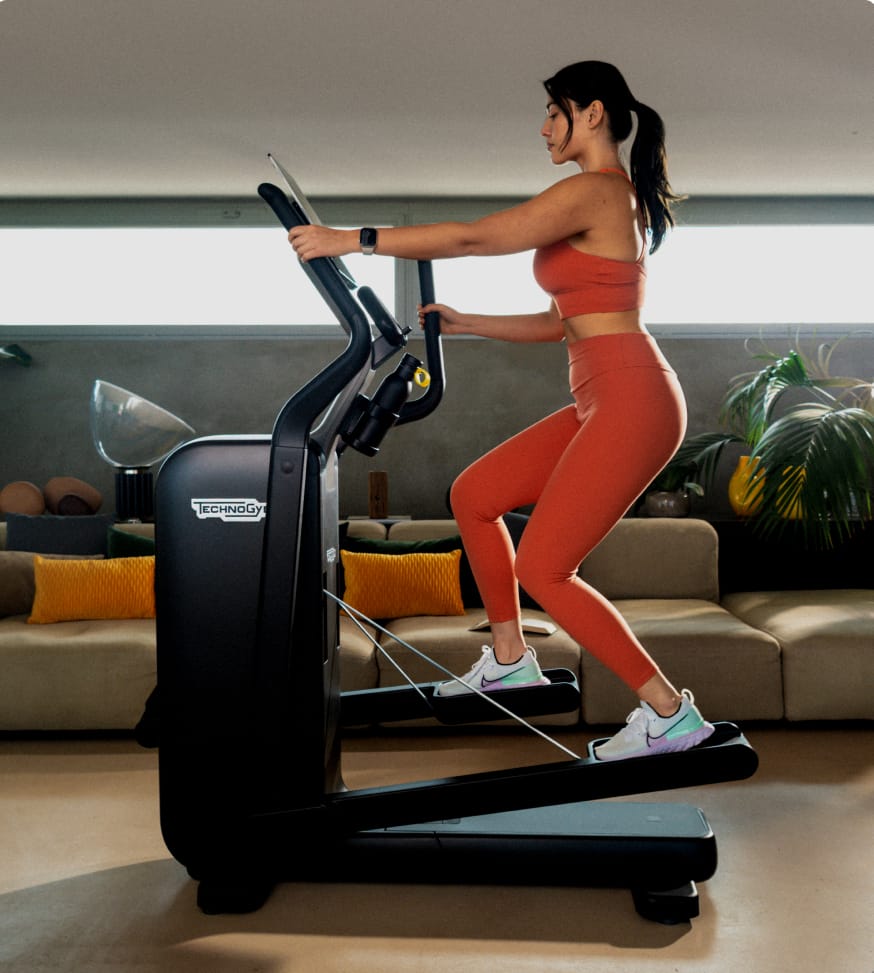
Cross-training options that build fitness without shin splints injury risk include:
- pool running — the best option since it mimics running mechanics without impact and is ideal for preventing shin splints injury
- cycling — low-impact aerobic training that builds leg strength without shin splints injury risk
- elliptical — moderate impact reduction with good aerobic work while protecting against shin splints injury
- swimming — excellent for recovery days and full-body conditioning without shin splints injury risk
- Rowing – low-impact but helps build your upper body and core
Include 1-2 cross-training sessions weekly to maintain aerobic fitness while reducing cumulative shin stress that causes shin splints injury. Cross-training keeps you moving without the impact stress that causes shin splints injury.
Shin Splints Treatment If Prevention Fails
If you develop shin splints injury despite prevention efforts, early treatment prevents the condition from becoming chronic. The moment you notice early warning signs, reduce your running intensity and volume immediately. Stop doing speed work and long runs; stick to easy running or switch to cross-training entirely.
Immediate treatment steps:
- Ice the shin for 15-20 minutes, 2-3 times daily to reduce inflammation
- Rest from high-impact activities (running, jumping) for 2-4 weeks
- Continue easy cross-training like pool running, cycling, or swimming to maintain fitness without impact stress
- Start daily stretching of your calves and shins to address tightness
- Begin strength training targeting weak muscles (tibialis anterior, calves, glutes, hips)
- Use compression wraps or sleeves for support during activity
Most cases of shin splints injury improve significantly within 2-4 weeks with this conservative approach. Pain should decrease noticeably within the first week. If pain persists beyond 2-3 weeks despite treatment, or if it worsens, see a sports physiotherapist for professional assessment.
FAQ About Shin Splints Injury
Yes. Address the root causes of your previous shin splints injury (tight calves, weak shin muscles, poor running form, mileage mistakes) and prevent recurrence. Most runners who get shin splints injury once get it again without prevention of the underlying issues.
Stop intense running immediately and switch to easy running or cross-training. Address through stretching, strength training, and reduced mileage. Early intervention of shin splints injury prevents it from becoming chronic. For specific exercises, see our shin splints exercises article.
No. Running through shin splints injury worsens the problem significantly. Early intervention takes 2-4 weeks. Ignoring shin splints injury leads to 8-12 weeks of recovery.
Eight to twelve weeks of consistent prevention before confidently ramping mileage without shin splints injury risk. Build the strength and flexibility foundation first, then increase training volume gradually.
Yes, if you have risk factors (tight calves, hip weakness, previous shin splints injury history) or are ramping up training significantly. Professional assessment identifies your specific shin splints injury vulnerabilities and can provide personalized exercise programming.
Strength training is non-negotiable for shin splints injury prevention. Three to four sessions weekly targeting shin muscles, calves, glutes, and hips significantly reduces your injury risk.
Prevent or Overcome Shin Splints Injury with Regenesis' Sports Physiotherapy
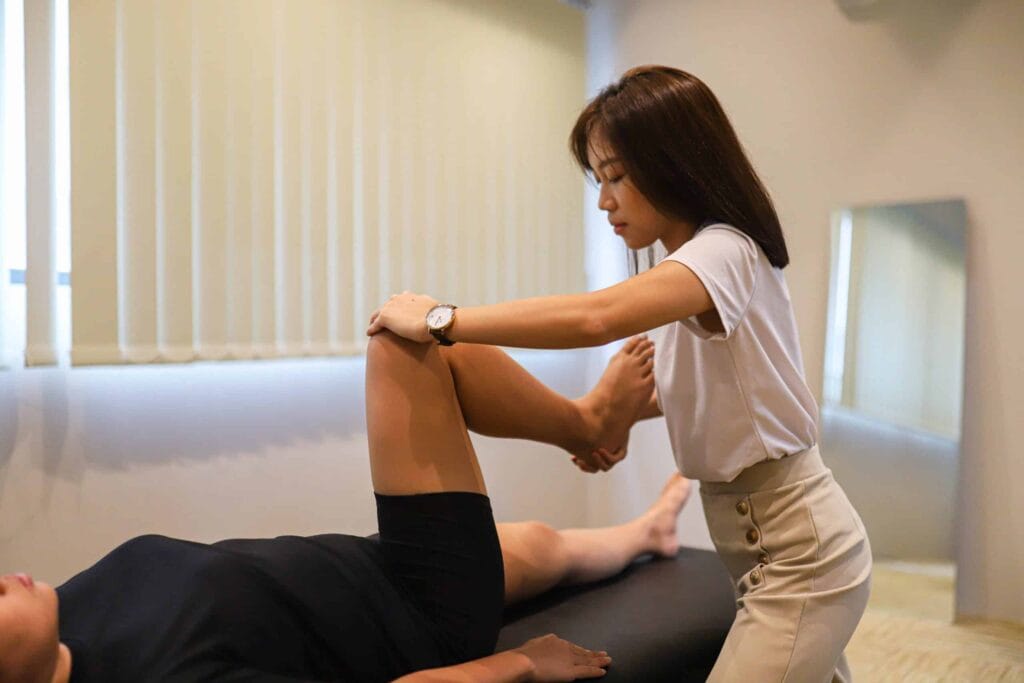
Whether you’re dealing with shin splints injury from ramping up mileage too quickly, tight calves from years of inadequate stretching, weak shin muscles from sedentary periods, or poor running form from fatigue and compensation patterns, a sports physiotherapist can identify your specific problem and fix it.
At Regenesis Physiotherapy, our specialists do more than just treat your shin pain—they analyze your running mechanics, assess your muscle strength and flexibility, and create a personalized training plan that gets you back to running stronger and injury-free.