
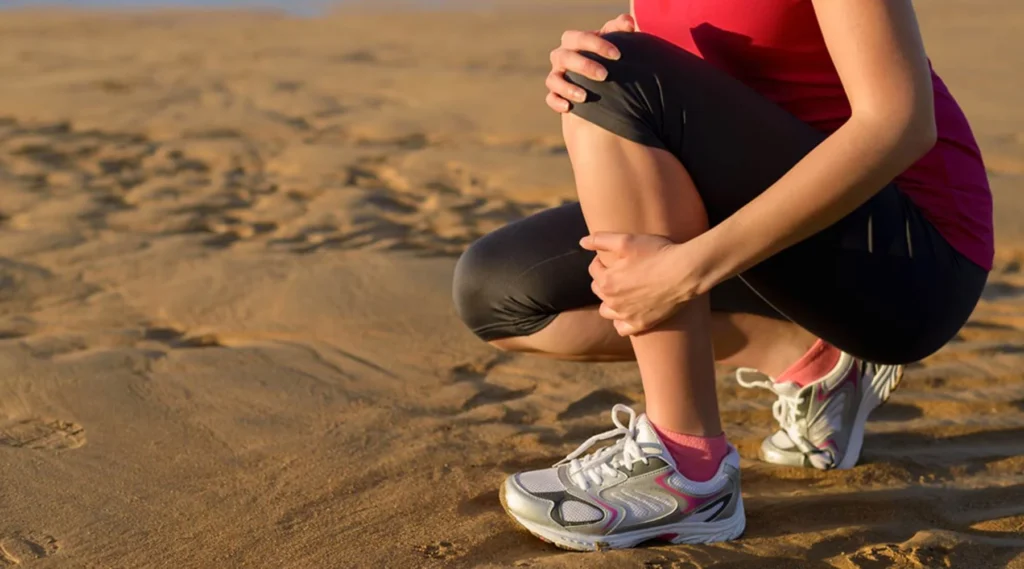
Shin splints injury develops from weak and tight muscles working together. The tibialis anterior (front shin) is weak and overworked, calf muscles are tight and pulling on your shinbone, and weak glutes change how you run—all contributing to shin splints injury.
Most runners do generic exercises without addressing their specific weakness, whether that’s tight calves, weak shin muscles, or weak glutes. A comprehensive approach targeting all three areas prevents recurrence and builds lasting strength.
Our guide outlines the stretches you need to know to help you recover from shin splints.
Before You Start
Mild discomfort during exercise is normal when treating shin splints injury. Sharp pain or pain that worsens after exercise means stop and modify the movement. Exercises for shin splints should reduce pain over time, not increase it. If exercises consistently increase shin splints injury pain, see a physiotherapist.
Most exercises are done 2-3 times daily for 15-20 minutes total. Rest days (1-2 per week) allow recovery from shin splints injury treatment. Consistency matters more than intensity—daily moderate work prevents more shin splints injury than occasional intense sessions. Results take time: expect 2-4 weeks for noticeable improvement in shin splints injury symptoms.
See a physiotherapist first if you have severe shin splints pain, inability to walk normally, swelling that doesn’t reduce with ice, pain following injury or trauma, uncertainty about the cause of shin splints injury, or pain that worsens despite home treatment.
Best Stretches for Shin Splints
Calf stretches are the most important stretches for shin splints. These stretches address the primary cause of shin splints injury—tight calves pulling on your shinbone.
Standing Calf Stretch
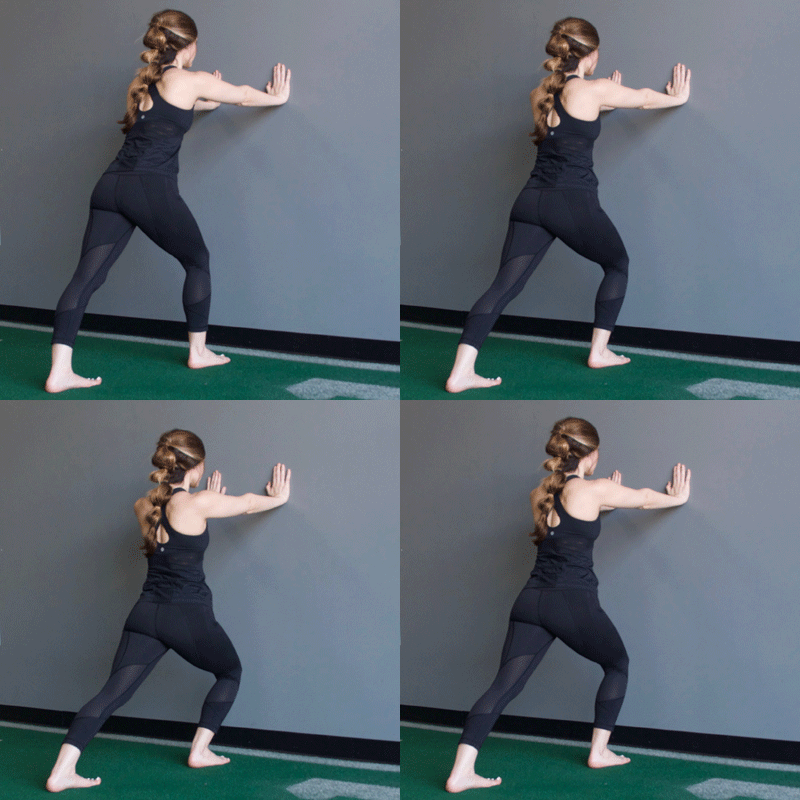
The standing calf stretch is the foundation of shin splints treatment. Lean against a wall with your back leg straight behind you. Feel the stretch in your calf. Hold for 30 seconds, repeat 3 times. Do this 3-4 times daily, especially after running and before bed. This targets the main muscle pulling on your shinbone and provides significant relief from shin splints injury pain.
Soleus Stretch
The soleus stretch targets the deeper calf muscle often overlooked in shin splints treatment. Use the same position as the standing calf stretch but bend your front knee slightly. This changes the angle and stretches the soleus rather than the gastrocnemius. Hold for 30 seconds, repeat 3 times. Do this 2-3 times daily for complete calf flexibility that prevents shin splints injury recurrence.
Downward Dog

Downward dog stretches both calf muscles simultaneously in a dynamic way. From hands and knees, push your hips back and up to form an inverted V shape. Press your heels toward the ground. Hold for 30-60 seconds, repeat 2-3 times. Do this 2-3 times weekly. This yoga pose provides a different angle than wall stretches and works well as part of a mobility routine.
Kneeling Shin Stretch
The kneeling shin stretch targets the front shin muscle directly. Kneel with the tops of your feet flat on the ground. Gently lean backward to stretch the front of your shin. Hold for 20-30 seconds, repeat 2-3 times. Do this 1-2 times daily. This stretch directly addresses the muscle suffering from shin splints injury.
Seated Shin Stretch

The seated shin stretch is gentler for acute shin splints injury. Sit with your legs extended. Pull your toes toward your shins, creating tension along the front of your shin. Hold for 20 seconds, repeat 3 times. Do this 2-3 times daily. This is less intense than the kneeling version but still effective for shin splints relief.
Hip Flexor Stretches
Hip flexor stretches address tightness that alters running mechanics and contributes to shin splints injury. Stand in a lunge position and push your hips forward. Hold 30 seconds, repeat 2 times. Do this daily. Tight hip flexors change how you run and increase shin splints injury risk.
Hamstring Stretches
Hamstring stretches prevent compensatory patterns that stress your shins. Lie on your back and pull your leg toward your chest. Hold 30 seconds, repeat daily. Tight hamstrings contribute to poor running form that causes shin splints injury.
What to Expect During Recovery
Most people notice improvement within 2-4 weeks of consistent stretching and strengthening. During weeks 1-2, daily stretching provides noticeable pain relief from shin splints injury. Weeks 2-6 are the strengthening phase when pain continues decreasing as muscles strengthen and shin splints injury pain subsides. By weeks 6-12, most people are pain-free or nearly pain-free and can return to full running.
Recovery speed depends on how long you’ve had shin splints injury. Early intervention (treating within 1-2 weeks) means faster recovery. Long-standing shin splints injury (months or years) takes longer but still responds well to exercises. Be patient with the process; exercises are addressing the root cause of shin splints injury, which takes time.
Seek professional help if:
- Pain worsens despite proper exercise progression
- New symptoms develop (swelling, instability, catching)
- You’re unable to bear weight on your leg
- No improvement after 4-6 weeks of consistent exercise
- Shin splints injury pain radiates to other areas
FAQ on Shin Splint Exercises
Most exercises are done 2-3 times daily for 15-20 minutes total. Consistency beats intensity—daily moderate work prevents more shin splints injury than occasional intense sessions.
Many people notice pain reduction within 3-5 days of starting exercises for shin splints injury. Significant improvement usually occurs within 2-4 weeks with consistent effort.
Mild discomfort is normal. Sharp pain is not. Exercises should reduce pain over time, not increase it. If pain worsens, reduce intensity or modify the exercise.
Proper form is crucial for treating shin splints injury. Poor form reduces effectiveness and can increase pain. Consider seeing a physiotherapist for exercise instruction, especially initially.
If swelling increases after exercise, ice for 15-20 minutes. If no swelling, ice is optional. Once pain is minimal, heat may be more beneficial post-exercise for shin splints injury recovery.
This is when professional assessment is important. A physiotherapist can identify issues you might be missing and adjust your shin splints injury exercise program.
No. Most effective exercises for shin splints injury use body weight or inexpensive resistance bands. Equipment isn't necessary for recovery.
Get Back to Running Pain-Free with Regenesis' Sports Physiotherapy

These exercises work—but only if you’re doing them right and addressing your specific problem. A sports physiotherapist does what a generic exercise guide can’t: they identify exactly why you developed shin splints injury and fix the root cause.
At Regenesis Physiotherapy, our specialists don’t just give you exercises. They assess your calf flexibility, test your hip stability, analyze your running form, and identify which muscles are weak or tight in your specific body. Then they create a personalized plan targeting your exact issues—not a one-size-fits-all approach.