Muscle pain isn’t one-size-fits-all. The relief methods that work for a sore hamstring won’t fix trapezius muscle pain, and generic advice like “rest and ice” ignores the unique function and location of different muscles.
If you’re an athlete or regular gym-goer, you’ve likely experienced muscle pain from your sport. But the specific pain you feel depends entirely on which muscles your sport demands. Understanding the connection between your activity and your muscle pain helps you prevent injuries before they happen.
This guide targets relief methods for six specific muscle groups where most people experience pain, plus prevention strategies to stop pain before it starts.
How Sports and Athletic Activities Cause Different Types of Muscle Pain
Trapezius muscle pain

Common in desk workers and athletes who perform overhead activities without proper scapular support. Swimmers, baseball players, and volleyball players frequently report upper back tension. The repetitive motion combined with poor posture during training intensifies the problem.
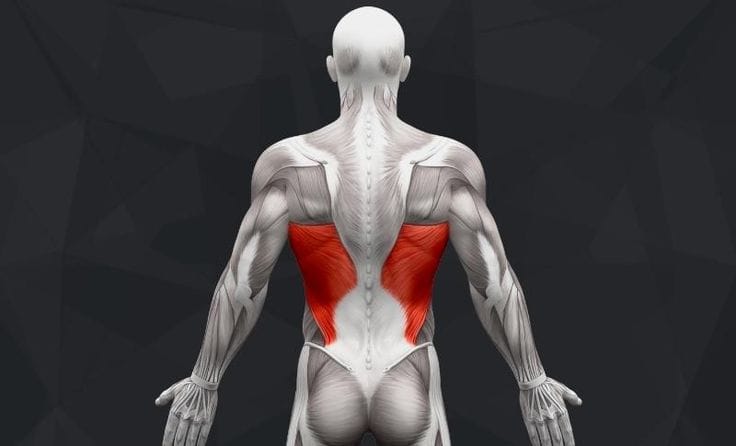
Rhomboid muscle pain

This type of muscle pain develops in athletes who neglect scapular stabilization, particularly rowers and climbers who emphasize pulling movements without balancing serratus anterior work. The imbalance creates deep shoulder blade pain that worsens during the sport.
Deltoid muscle pain
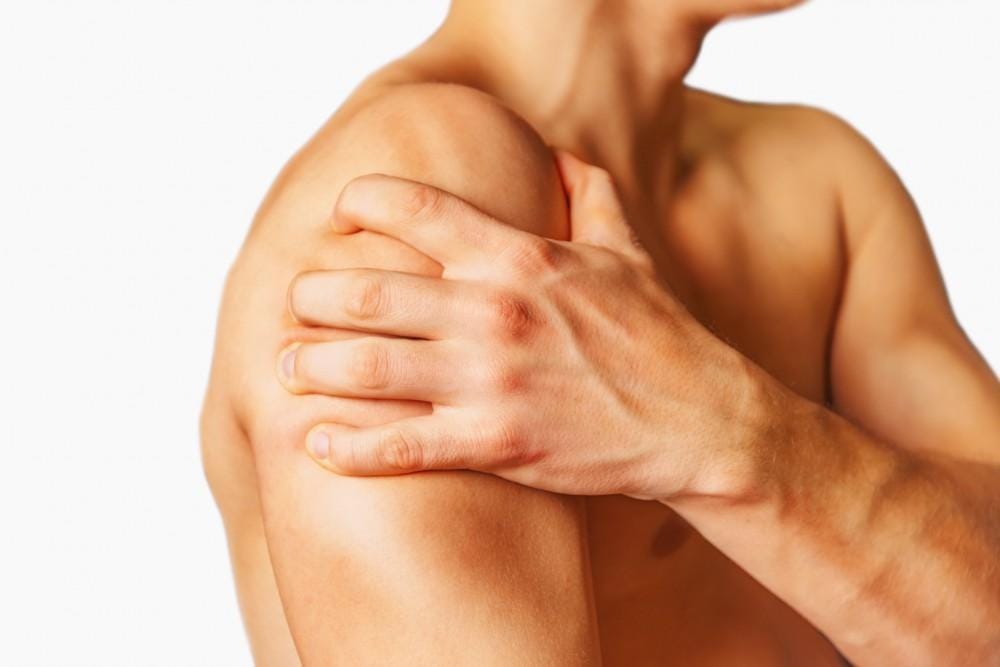
Deltoid muscle pain is an overhead athlete’s nightmare. Swimmers, tennis players, baseball pitchers, and crossfit enthusiasts who perform repeated shoulder abduction without proper rotator cuff conditioning are prime candidates. The deltoid gets overworked while the rotator cuff stabilizers fatigue, creating sharp lateral shoulder pain.
Hamstring muscle pain
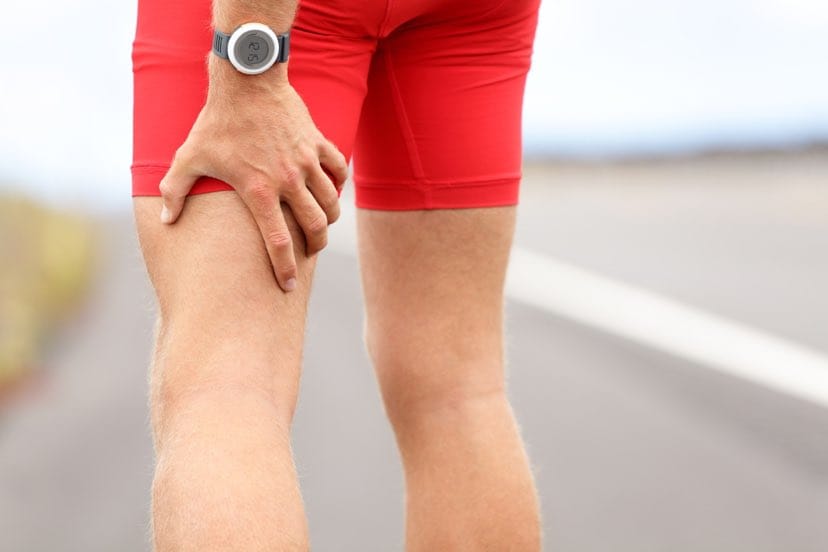
Hamstring muscle pain strikes runners, sprinters, soccer players, and any athlete requiring explosive hip extension. Tight hamstrings combined with weak glutes force the hamstring to work harder than it should, leading to muscle strains. Running on cold muscles or increasing mileage too quickly commonly triggers acute hamstring pain.
Adductor muscle pain
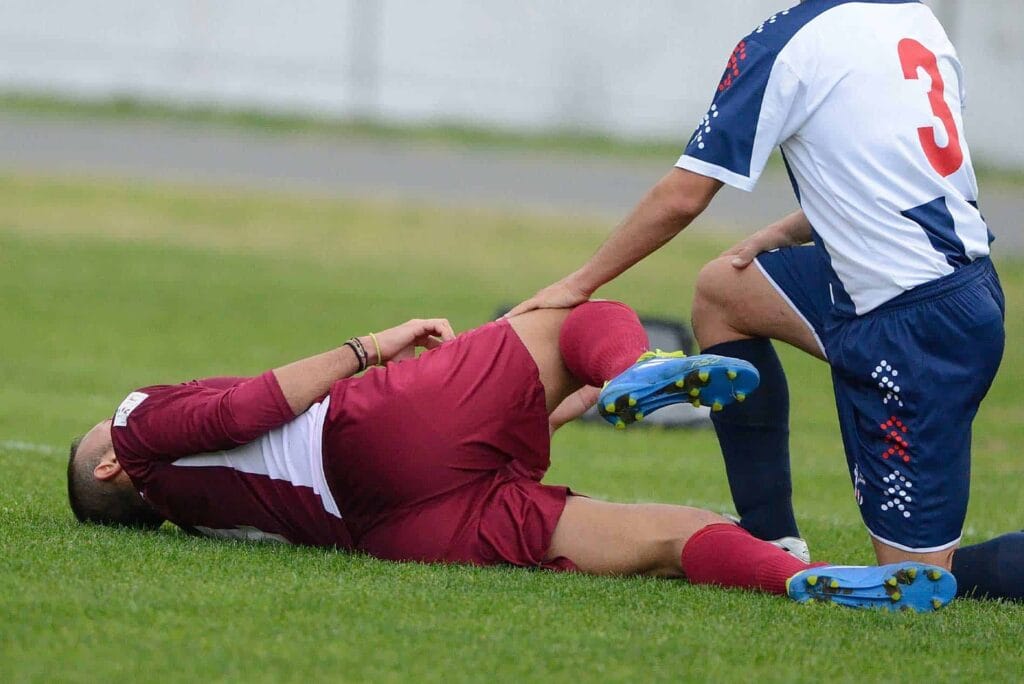
Adductor muscle pain plagues soccer athletes and figure skaters, or any sport requiring rapid changes of direction with the legs in an abducted position. The sudden, forceful adduction overloads the inner thigh, causing strains that can linger for weeks if not properly treated.
Gluteus medius muscle pain
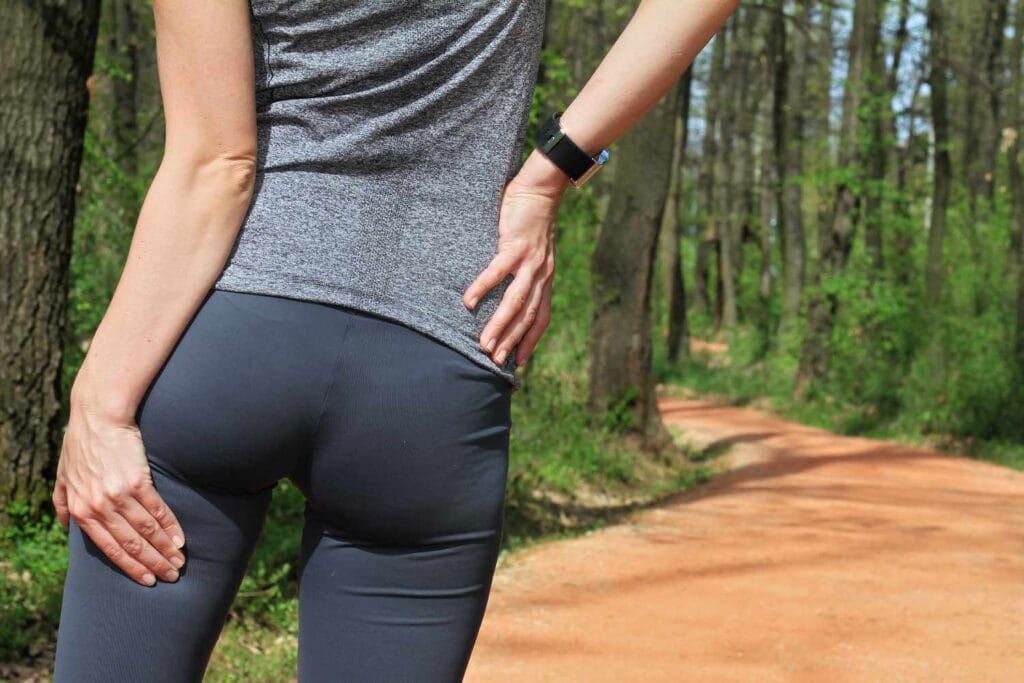
Gluteus medius muscle pain affects distance runners most frequently, though it appears in any endurance sport. Weak glutes combined with increased training volume creates the perfect storm for chronic hip pain. Trail runners and trail athletes often develop this pain from uneven terrain loading one side more than the other.
Knowing which sport stresses which muscles lets you target your conditioning and prevention work before pain develops. If you play these sports, the relief and prevention strategies for your specific muscle groups become essential to staying on the field, court, or track.
Why Different Muscles Need Different Relief Approaches
Your muscles have different functions, sizes, and locations, meaning they respond differently to treatment. Stabilizer muscles like your trapezius and rhomboid need different care than mover muscles like your hamstring and gluteus medius. Deep muscles respond differently to heat and massage than superficial ones. Understanding which muscle is actually hurting is the first step to effective relief.
Trapezius Muscle Pain Relief


Trapezius muscle pain is the most common complaint we see. You’ll feel upper back tension, neck stiffness, or headaches radiating from the base of your skull.
Immediate relief: Apply heat to your upper back for 15-20 minutes (trapezius responds better to heat than ice). Do shoulder rolls, chin tucks, and use a lacrosse ball for self-massage to the upper trapezius.
Short-term care (24-48 hours): Perform neck stretches like the levator scapulae stretch, where you gently pull your ear toward your shoulder. Add thoracic spine mobility work with foam rolling. Reverse flies and band pull-aparts correct the underlying muscle imbalances causing the pain.
Rhomboid Muscle Pain Relief
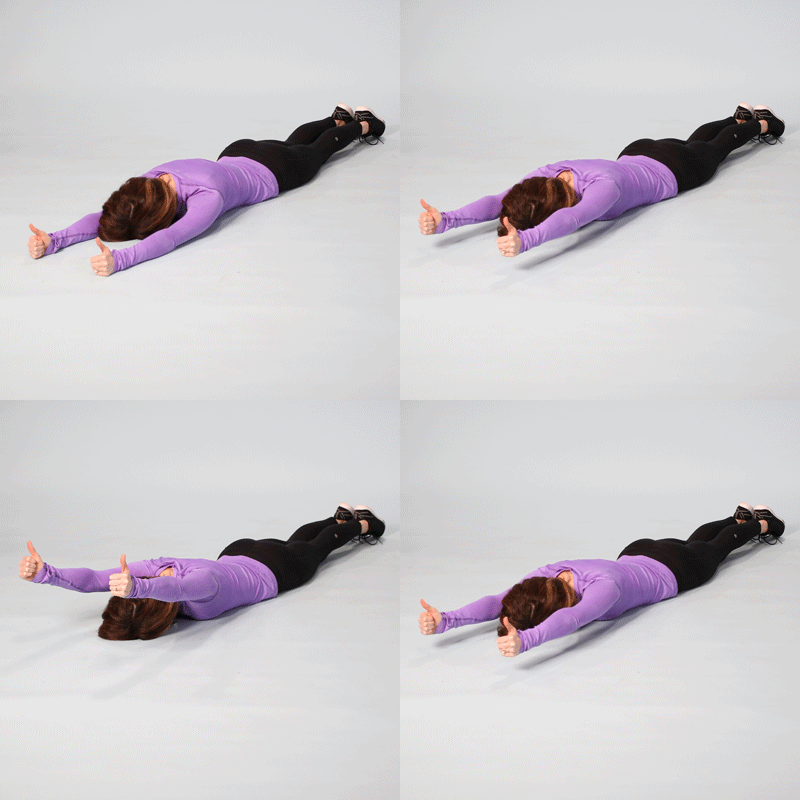
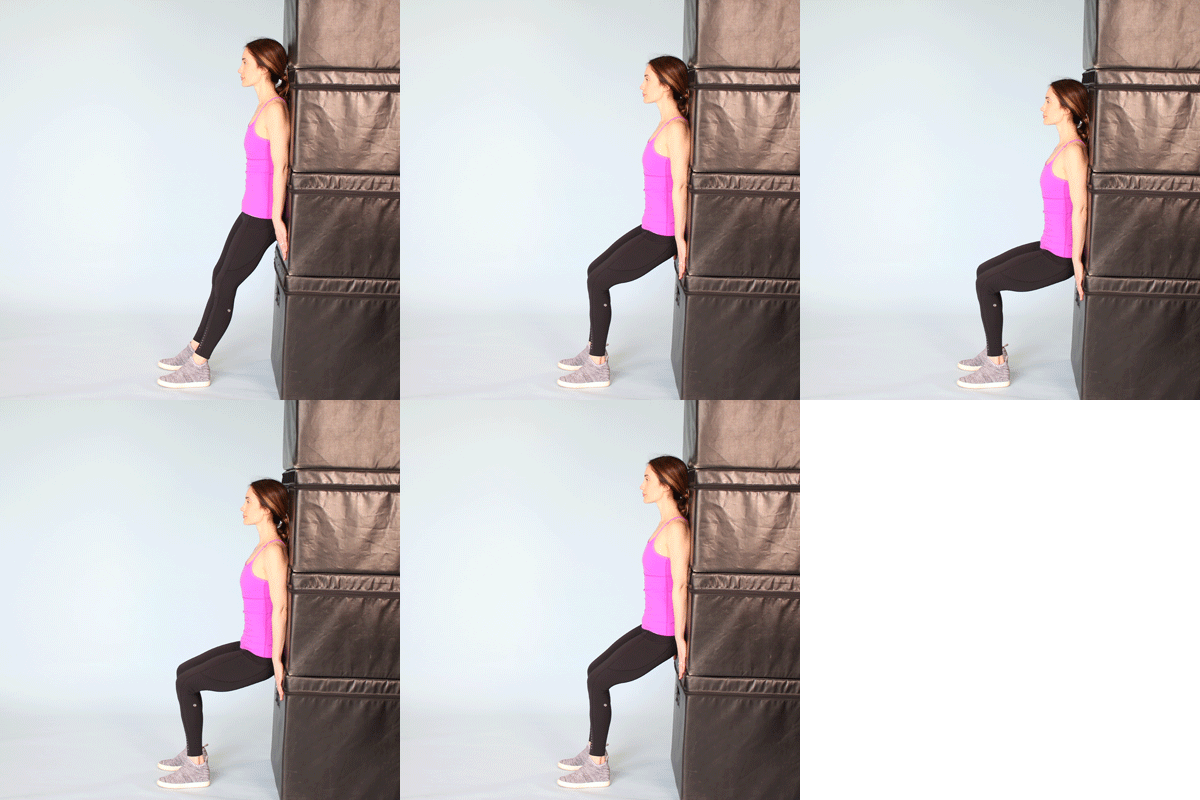
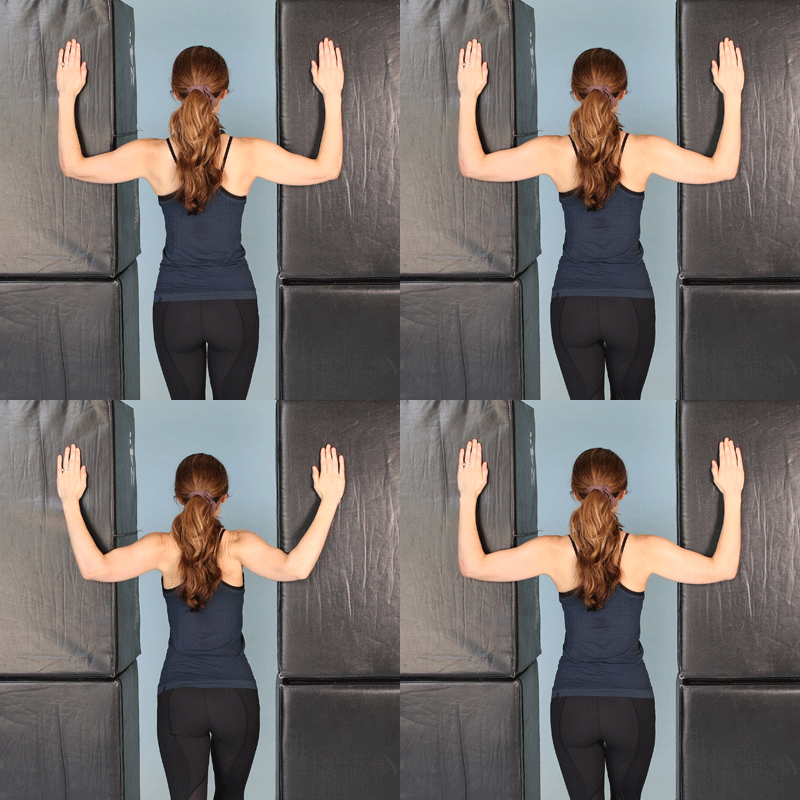
Rhomboid muscle pain is deeper and more localized than trapezius pain, you’ll feel it between your shoulder blades. The primary cause is scapular instability from a weak serratus anterior muscle.
Immediate relief: Use targeted heat between your scapulae, perform a standing wall chest stretch, and use a tennis ball or massage stick to the area between your shoulder blades.
Short-term care: Focus on scapular stability with prone Y-T-W raises and wall slides. Activate your serratus anterior with pushups that emphasize scapular protraction. Stretch with doorway chest stretches and cross-body shoulder stretches.
For prevention, add rowing exercises, scapular strengthening protocols, and posture corrective exercises 3-4 times weekly. Unlike trapezius pain, rhomboid pain requires more scapular stability work than stress relief.
Deltoid Muscle Pain Relief


Deltoid muscle pain usually comes from overuse (throwing, lifting, overhead activities) combined with rotator cuff imbalances. You’ll feel lateral shoulder pain and difficulty with overhead movements.
Immediate relief: Use ice if the injury is acute, or heat if it’s chronic tension. Wear a sling to reduce load and perform gentle pendulum circles to maintain mobility without aggravating the injury.
Short-term care (24-48 hours): Activate your rotator cuff with external rotation exercises using light weights. Perform cross-body shoulder stretches and sleeper stretches. Continue ice if swelling is present; switch to heat if stiffness dominates.
You can strengthen your rotator cuff (especially external rotators) and your scapular stabilizers so the pain is less likely to return. Gradually return to overhead activities with proper mechanics. If deltoid muscle pain persists beyond 2 weeks despite rest, or if you lose strength or experience night pain, see a doctor.
Hamstring Muscle Pain Relief
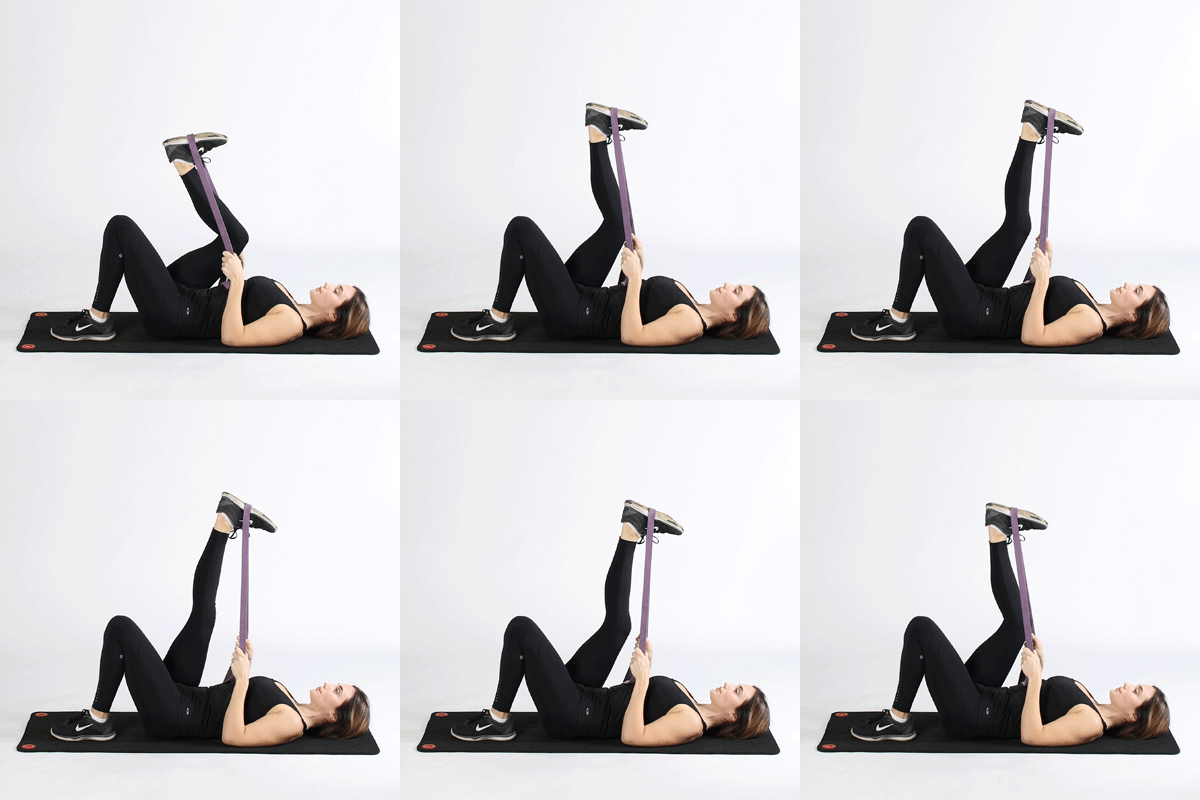

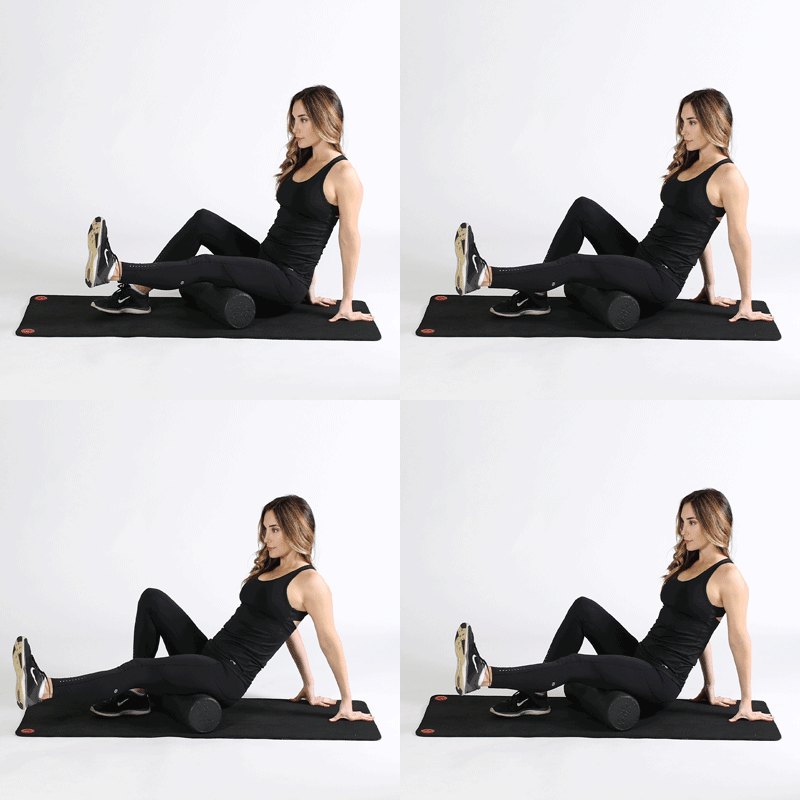
Hamstring muscle pain is movement-dependent and often sharper than other muscle groups, typically caused by overuse in running, jumping, or sprinting.
Immediate relief: Stop the aggravating activity immediately and apply ice if it’s an acute strain. Use a compression wrap to reduce inflammation and elevate your leg.
Short-term care (24-48 hours): Transition to heat if it’s chronic tightness. Perform gentle, pain-free stretching with supine hamstring stretches and mild forward folds. Use a foam roller or massage stick with gentle pressure.
To avoid getting repeated hamstring muscle pain, try glute bridges and Nordic hamstring curls. Get your running mechanics assessed if the pain occurred during activity. Plan for 1-4 weeks of recovery depending on severity, and resist the urge to rush back to running since premature return commonly re-aggravates hamstring pain.
Adductor Muscle Pain Relief


Adductor muscle pain in your inner thigh usually comes from hip adduction overuse or strain. It’s often confused with hip or groin pain, but adductors are different structures entirely.
Immediate relief: Apply ice, avoid leg-crossing movements and wide-leg exercises, and use compression to reduce inflammation.
Short-term care (24-48 hours): Perform adductor-specific stretches like frog stretch, butterfly stretch, and side-lying adductor stretch. Gently activate your glutes to balance your hip musculature. Avoid weighted adduction work for 1-2 weeks.
Strengthen your hip stabilizers with clamshells, side-lying leg raises, and lateral band walks. Stretch your adductors 4-5 times weekly. Strengthen your hip external rotators to balance your adductors. Expect about 2-3 weeks of recovery as adductors are often overlooked in hip strengthening programs, making prevention critical to avoid recurring issues.
Gluteus Medius Muscle Pain Relief
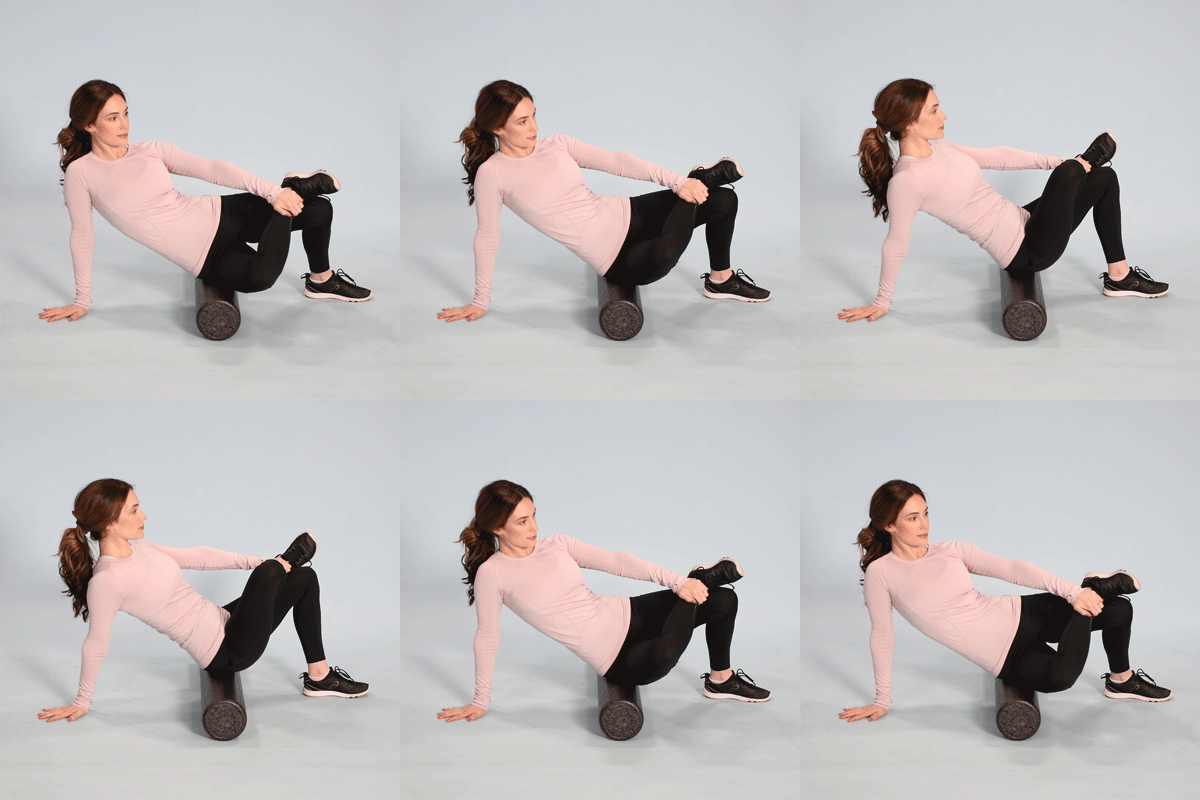

Gluteus medius muscle pain is the leading cause of chronic hip pain and is often misdiagnosed as IT band syndrome or hip bursitis. The primary cause is weakness or activation failure, typically from weakness, overuse, or prolonged sitting.
Immediate relief: Apply ice if acute inflammation is present. Avoid single-leg activities (standing on one leg, single-leg stairs). Use gentle lateral hip foam rolling and sleep on your non-affected side with a pillow between your knees.
Short-term care (24-48 hours): Activate your gluteus medius with clamshells, side-lying leg raises, and lateral band walks—this is the most important step. Continue ice or heat based on inflammation. Stretch with pigeon pose and figure-4 stretches.
Our recommendations include: performing gluteus medius strengthening 3-4 times weekly with progressive resistance; add single-leg stability work, get a running gait analysis, and address sitting posture, and; core strengthening, which supports hip stability. Unlike other muscle pain, gluteus medius pain is often chronic because rest alone doesn’t address the underlying weakness.
| Muscle | Best Immediate Action | Heat or Ice? | Recovery Time |
|---|---|---|---|
| Trapezius | Posture reset + heat | Heat | 3-7 days |
| Rhomboid | Scapular work | Heat | 5-10 days |
| Deltoid | Arm support | Ice (acute) or Heat (chronic) | 1-3 weeks |
| Hamstring | Ice + stop activity | Ice | 1-4 weeks |
| Adductor | Rest + ice | Ice | 2-3 weeks |
| Gluteus Medius | Hip activation | Ice (acute) or Heat (chronic) | 2-4 weeks |
When to See a Sports Physiotherapist
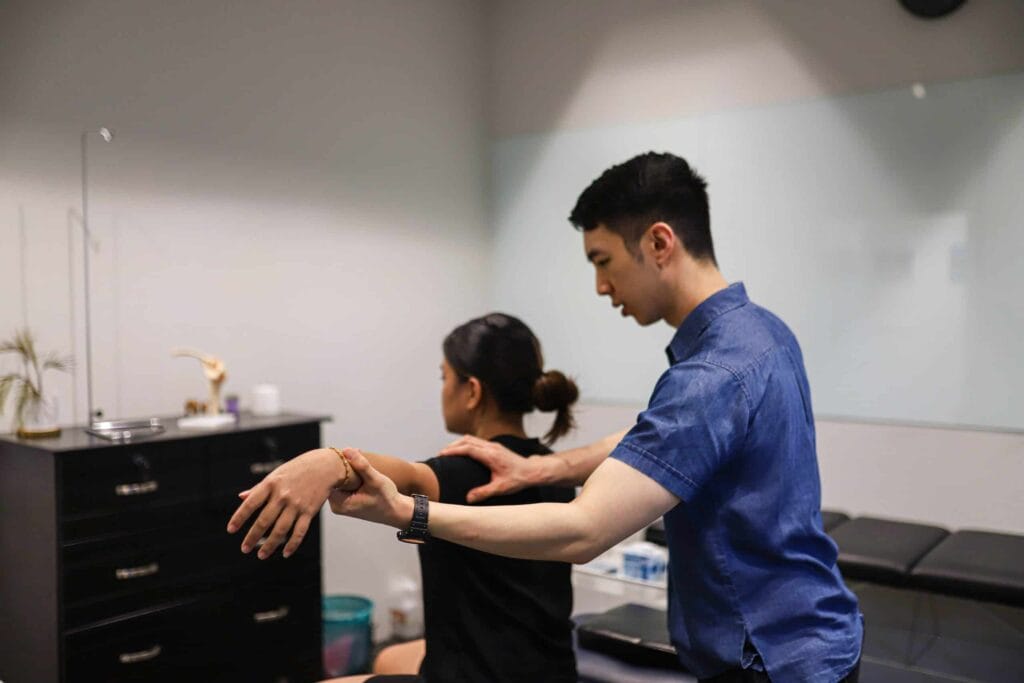
While the relief strategies in this guide work for acute muscle pain and prevention, sometimes professional assessment and treatment accelerates recovery especially for athletes who need to return to sport quickly.
Sports physiotherapy goes beyond generic muscle treatment. A sports physiotherapist performs movement analysis, identifies the biomechanical issues causing your pain, and prescribes sport-specific conditioning to prevent re-injury. This is especially valuable if you’ve experienced recurring muscle pain in the same area.
Consider seeing a sports physiotherapist if:
- Your muscle pain recurs after each return to sport
- Self-treatment hasn’t improved your symptoms after 2-3 weeks
- You need faster recovery to meet a competition deadline
- Your sport requires explosive movements (running, jumping, throwing) and you want to prevent injury
- You suspect an underlying movement dysfunction (poor running form, scapular dyskinesis, hip imbalance)
Relieve Your Muscle Pains with Regenesis’ Sports Physiotherapy

The specific muscle matters more than generic “rest and ice.” Most muscle pain stems from imbalances, not just one muscle, so addressing the root cause (weakness, poor mechanics, imbalance) is essential for lasting relief.
Whether you’re dealing with trapezius muscle pain from repetitive overhead sport, hamstring pain from sprinting, or gluteus medius pain from distance running, a sports physiotherapist can accelerate your return to full performance while addressing the root cause of your pain.
If self-treatment using this guide isn’t providing relief after 2-3 weeks, or if you’re an athlete who can’t afford to lose time to injury, reaching out to Regenesis Physiotherapy can get you back to your sport stronger and pain-free.