
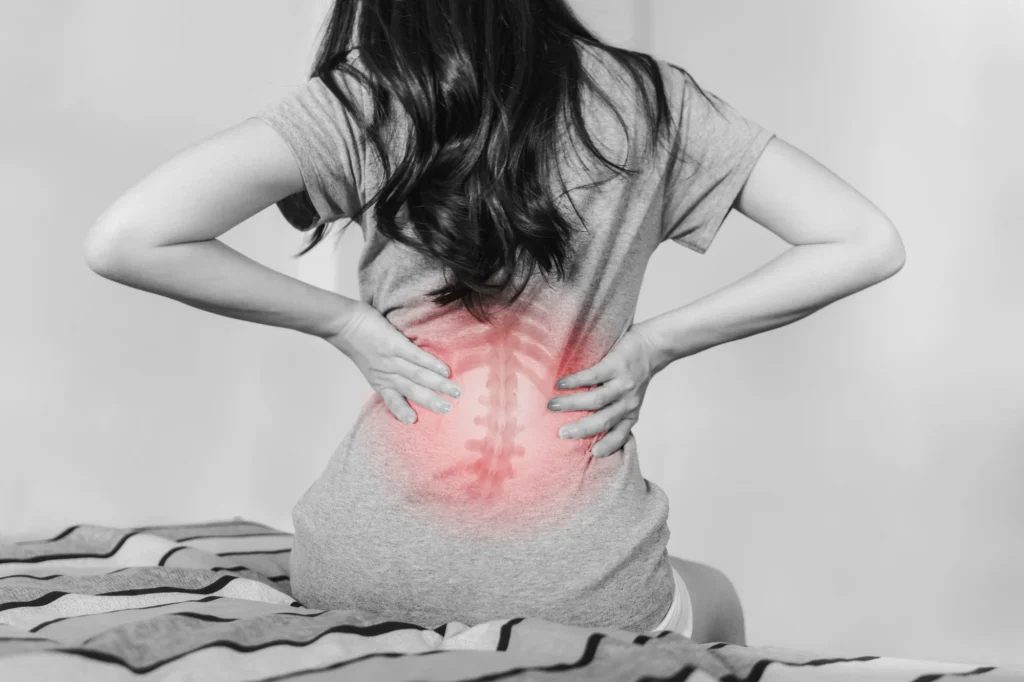
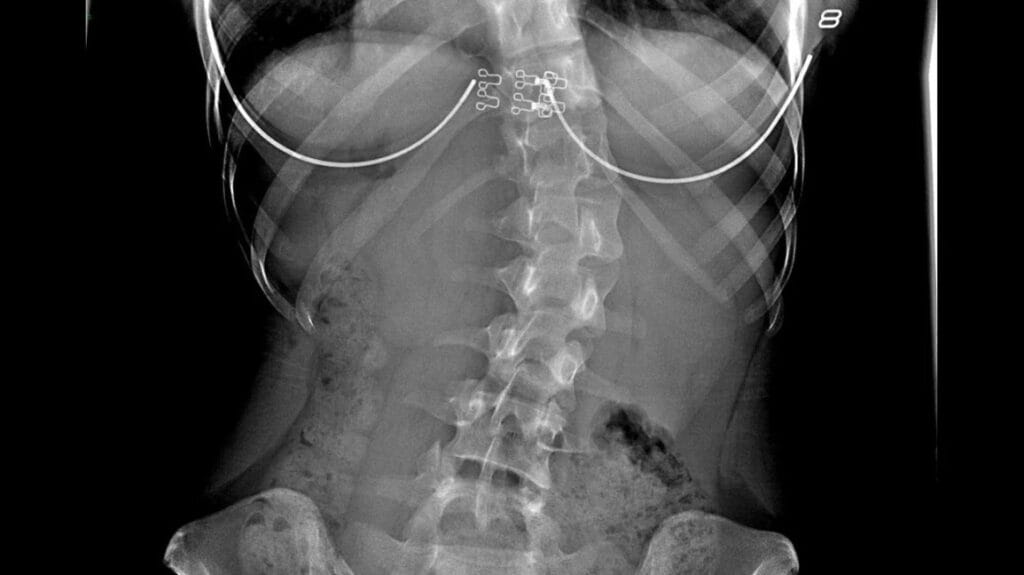
Whether mild or severe, scoliosis can become progressively worse over time if left unmanaged. While surgery and bracing are options for more severe cases, physiotherapy plays a critical role in managing scoliosis, supporting spinal alignment, and slowing or even preventing further progression especially if treatment began early on.
How Fast Can a Scoliosis Curve Progression Be?
The rate at which a scoliosis curve progresses depends on several factors, including age, growth stage, curve type, and overall health. In children and adolescents, curves can worsen more quickly because their spines are still growing.
Studies indicate that during rapid growth phases such as the early teen years, curves can progress by 5–10 degrees per year on average. In some cases, particularly with larger or more aggressive curves, progression can be even faster, sometimes exceeding 10 degrees annually which increases the risk of needing surgery.
For adults, progression tends to be slower, often around 1 degree per year, but even small increases over time can lead to discomfort, postural changes, and complications like back pain or reduced lung capacity.
Key Factors Influencing Curve Progression
Age and Growth: Younger patients, especially girls approaching their growth spurt, are at higher risk of rapid progression.
Curve Magnitude: Larger curves at initial diagnosis tend to worsen faster than milder ones. Curves above 30–40 degrees are considered at higher risk for significant progression.
Curve Location: Thoracic curves may progress differently compared to lumbar or thoracolumbar curves due to differences in spinal mechanics.
Bone Maturity: Skeletal immaturity increases the risk of rapid progression, measured using growth indicators like the Risser sign.
| Patient Group | Typical Progression Rate | Notes |
|---|---|---|
| Children/Adolescents | 5–10° per year (rapid growth phase) | Higher risk if curve >20° at diagnosis |
| Severe Pediatric Curves | >10° per year | Immediate intervention may be needed |
| Adults | ~1° per year | Slower, but can impact posture and pain levels |
| Adults with Osteoporosis | Variable | Bone weakening may accelerate curve changes |
How Physiotherapy Can Slow Down Scoliosis
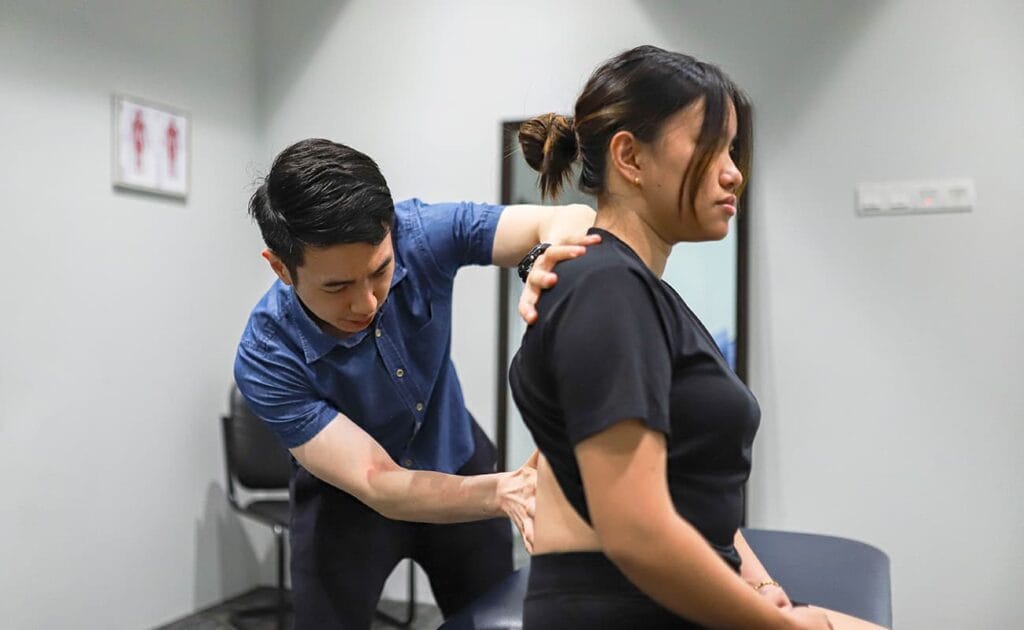
Physiotherapy is designed to correct muscle imbalances, improve posture, and increase spinal flexibility. Through a combination of exercise therapy, manual techniques, and functional training, physiotherapists aim to strengthen the core and back muscles that support the spine.
For patients wearing braces, physiotherapy complements the mechanical support by maintaining flexibility and muscle tone, which are critical for long-term outcomes.
Benefits of Consistent Physiotherapy Across Different Stages
Physiotherapy is effective at all stages of scoliosis, but its goals differ depending on severity.
Mild Scoliosis: Early intervention focuses on strengthening postural muscles and core stability, helping to prevent the curve from worsening during growth. Studies show that targeted exercises can reduce the risk of progression by up to 30% in adolescents with mild curves.
Moderate Scoliosis: Therapy helps maintain flexibility, reduce compensatory postural changes, and manage discomfort. By focusing on spinal alignment and muscle balance, physiotherapy can help keep the curve from advancing and improve daily function.
Severe Scoliosis: While severe curves may require surgical or bracing intervention, physiotherapy plays a vital role in maintaining mobility, preventing further complications, and supporting overall quality of life. Exercises at this stage emphasize functional strength, breathing techniques, and pain management.
Physiotherapy Techniques That Help Prevent Progression
Several evidence-based techniques form the backbone of scoliosis physiotherapy:
Schroth Method
The Schroth Method is a highly specialized 3D exercise system tailored to an individual’s unique spinal curve. It focuses on de-rotating the spine, elongating the torso, and improving postural symmetry. Exercises include targeted breathing, muscle activation, and postural correction. Patients learn how to actively hold corrected postures during daily activities, making this method especially effective in adolescent scoliosis to prevent curve worsening.
Core Strengthening Exercises
Strong core muscles provide critical support to the spine. Pilates-based routines, stability ball exercises, and functional strength training target the abdominals, obliques, and lower back muscles. Improved core stability not only reduces spinal strain but also enhances balance, flexibility, and overall functional movement, helping patients maintain proper alignment during everyday activities.
Manual Therapy
Hands-on techniques such as soft tissue mobilization, myofascial release, and guided spinal exercises help reduce stiffness and relieve muscular tension. By improving muscle flexibility and joint mobility, manual therapy can make active exercises more effective and reduce discomfort that sometimes discourages consistent therapy.
Breathing Exercises
For thoracic curves, breathing exercises are particularly important. These routines expand the ribcage, improve lung capacity, and help mobilize the spine. Techniques often involve deep, asymmetric breathing that targets the concave side of the curve, which can improve postural alignment and aid in respiratory function, especially in more severe curvatures.
Stretching and Flexibility Work
Stretching exercises focus on the muscles and soft tissues affected by spinal curvature. Targeted stretches on the concave side help lengthen shortened muscles, while stretches on the convex side relieve tension. Maintaining flexibility reduces compensatory strain on surrounding joints and muscles, improves comfort, and supports the effectiveness of strengthening exercises.
| Technique | Target Area | Benefits |
|---|---|---|
| Schroth Method | Entire spine | Improves posture, de-rotates spine, reduces curve progression |
| Core Strengthening | Abdominals & back | Enhances spinal support and stability |
| Manual Therapy | Muscles around spine | Reduces stiffness, improves mobility |
| Breathing Exercises | Thoracic region | Increases ribcage mobility and respiratory function |
| Stretching | Concave/convex muscles | Maintains flexibility, reduces muscle tension |
The Importance of Consistency and Monitoring
Consistency is key. Physiotherapy is most effective when patients follow a structured plan, combining supervised sessions with daily home exercises. Monitoring progress through regular assessments, photographs, or X-rays allows therapists to adjust exercises based on the patient’s response. For most patients, a regimen of weekly supervised sessions plus daily home exercises is recommended.
Get Consistent Treatment with Scoliosis Physiotherapy at Regenesis Physiotherapy

Consistent physiotherapy is a cornerstone of scoliosis management at any stage. From strengthening muscles and improving posture to maintaining flexibility and reducing pain, it can slow or prevent curve progression, support functional movement, and improve quality of life. Early assessment, personalized therapy, and ongoing commitment are essential for the best results.
If you or a loved one have scoliosis, consulting one of our physiotherapists experienced in scoliosis care is the first step toward a healthier spine and a more active, pain-free life.